10 compounds · from $44.99
Sizemaxxing — GHRH Analogues, Ghrelin Mimetics & IGF-1
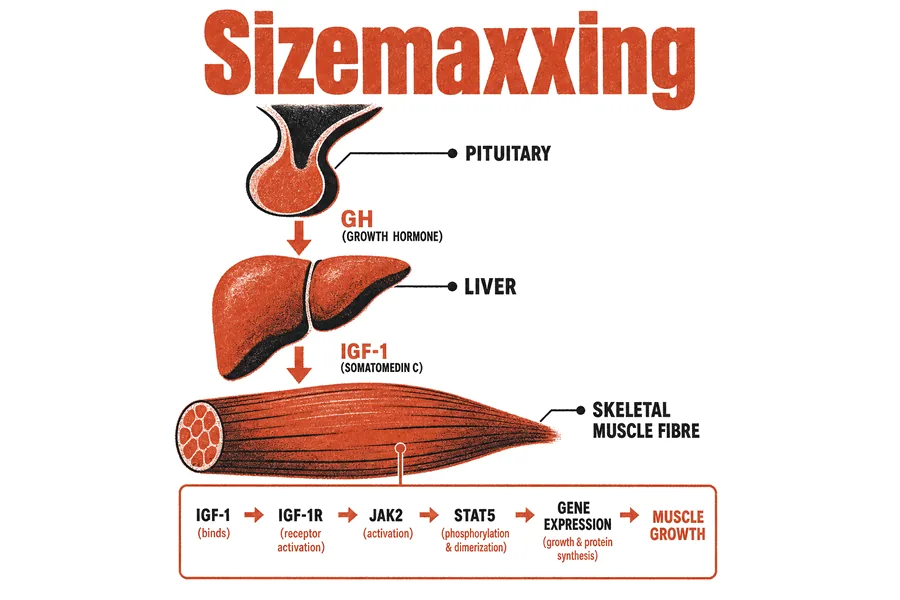
Sizemaxxing covers everything that acts on the growth hormone axis without being growth hormone. That distinction is the whole point of the shelf: exogenous GH overrides the feedback loop, while secretagogues work through it, which keeps release pulsatile and self-limiting. Two receptor routes get used, and because they signal through different G-protein cascades they add rather than overlap — which is why the pre-mixed dual-mechanism vials outsell the single compounds here by a wide margin. IGF-1 LR3 sits at the end of the shelf as the one compound that skips the pituitary entirely. Sixteen vials, all lot-matched, all shipping same day.
Ipamorelin
10 MG
Ipamorelin/CJC-1295 Blend
10 MG
CJC-1295 No DAC
10 MG
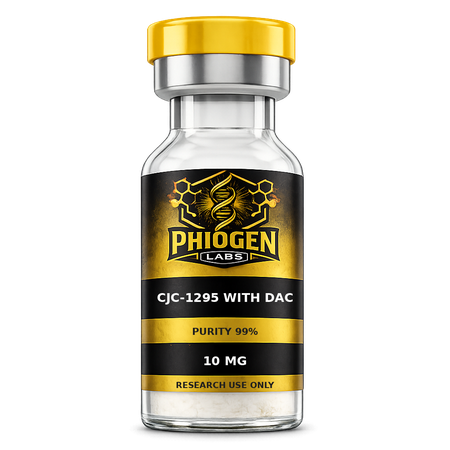
CJC-1295 with DAC
10 MG
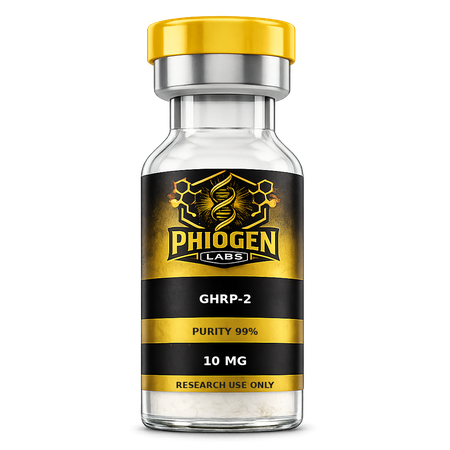
GHRP-2
10 MG
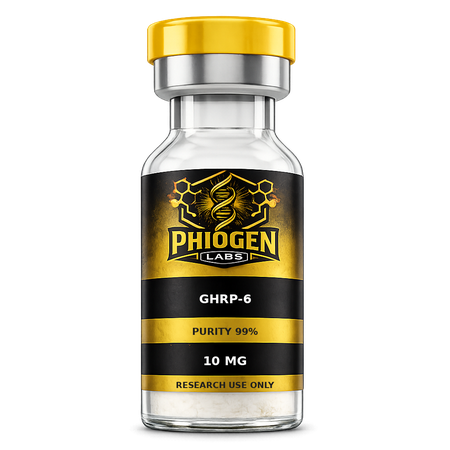
GHRP-6
10 MG
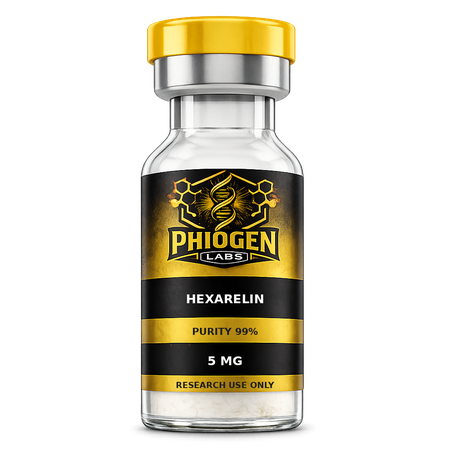
Hexarelin
5 MG
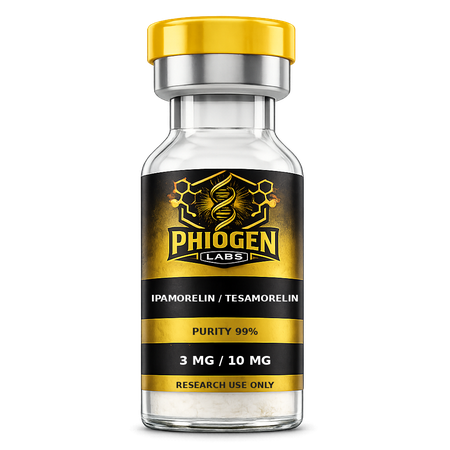
Ipamorelin/Tesamorelin Blend
13 MG
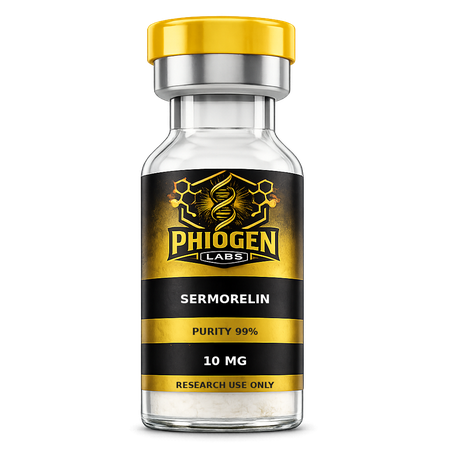
Sermorelin
10 MG
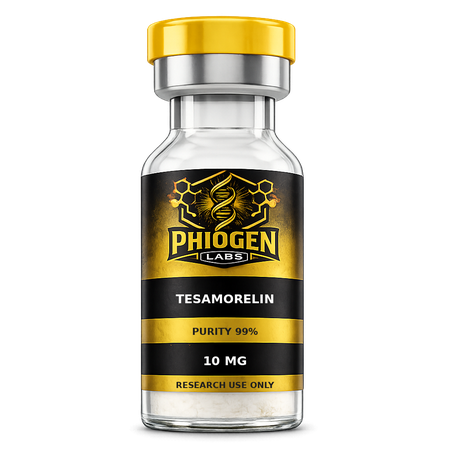
Tesamorelin
10 MG
Two Receptors, One Pulse
GHRH analogues — Sermorelin, CJC-1295, Tesamorelin — bind the GHRH receptor on pituitary somatotrophs and signal through Gs. Ghrelin mimetics — Ipamorelin, GHRP-2, GHRP-6, Hexarelin — bind GHS-R1a and signal through Gq. Co-activating both produces a pulse substantially larger than the sum of either alone, because the two cascades converge on the same secretory machinery from different directions. This is not a marketing claim about synergy; it is the documented pharmacology and the reason every pre-mixed vial on this shelf pairs one from each column.
The DAC Decision
CJC-1295 ships in two forms and choosing between them is the most consequential decision on this shelf. No DAC, sometimes listed as Mod GRF 1-29, has a half-life around thirty minutes — short enough that the natural pulse rhythm survives. The DAC modification binds albumin and extends the half-life to six to eight days, replacing pulses with a continuous elevation. Continuous elevation eventually blunts the pituitary's own rhythm, which is the opposite of what a secretagogue protocol is usually trying to preserve. No DAC is the default for that reason, dosed to land on the natural pre-sleep pulse.
Why Ipamorelin Dominates the Blends
All four ghrelin mimetics here release GH. They differ in what else they release. GHRP-2 and GHRP-6 both produce measurable cortisol and prolactin elevation at working doses, and GHRP-6 drives a strong appetite response through the same receptor — occasionally useful, usually not. Hexarelin is the most potent of the four and also the fastest to induce desensitisation. Ipamorelin was engineered to avoid all of that: GH release with no meaningful ACTH, cortisol or prolactin movement at typical doses. That selectivity is why it appears in nearly every blend and why it is the sensible starting point.
IGF-1 LR3 Is a Different Category of Decision
Everything else on this shelf asks the pituitary to release GH, which drives hepatic IGF-1 production, which produces the effect at the tissue. IGF-1 LR3 delivers that endpoint directly — the Arg3 substitution and 13-residue N-terminal extension cut binding-protein affinity, which is what extends the active window well past native IGF-1. It bypasses the feedback loop rather than working through it, so none of the pulsatility reasoning that governs the rest of the shelf applies. It belongs in a protocol for different reasons and gets handled differently.