17 compounds · from $35.99
Burnmaxxing — Incretin Agonists & Metabolic Compounds
Burnmaxxing is the largest shelf here and the one where the science has moved fastest. Ten years ago this category would have been a single GLP-1 monoagonist and a handful of stimulants; today it runs from Semaglutide through dual and triple receptor agonists to compounds that raise energy expenditure without touching appetite at all. The practical question when choosing between them is not which produced the biggest headline number, but which mechanism matches what you are actually studying — appetite suppression, insulin sensitisation, or thermogenesis are three different problems. Vial sizes on this shelf are deliberately wide because escalation protocols consume very different amounts at each phase. Every listing carries its lot-matched certificate of analysis.
Tirzepatide
15 MG
5-Amino-1MQ
50 MG
AOD9604
10 MG
Adipotide (FTPP)
10 MG
BAM-15
30 MG/mL 30 ML
Cagri-Reta
10 MG
Cagri-Sema Blend
10 MG
Cagrilintide
10 MG
L-Carnitine
400 MG/mL
L-Carnitine 5-Pack
600 MG
Mazdutide
6 MG
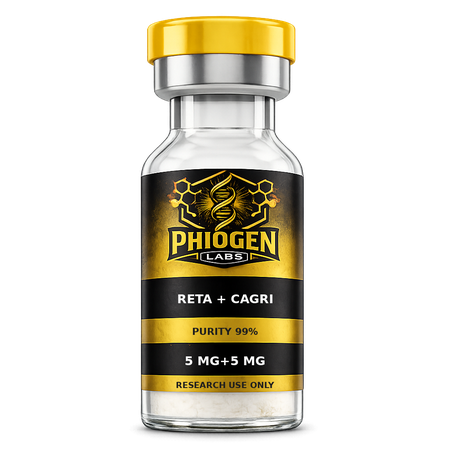
Reta-Cagri
5 MG/5 MG
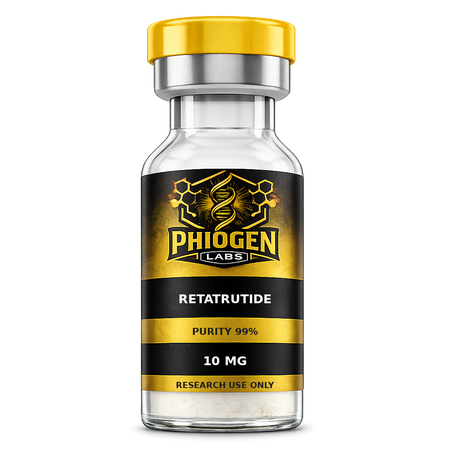
Retatrutide
10 MG
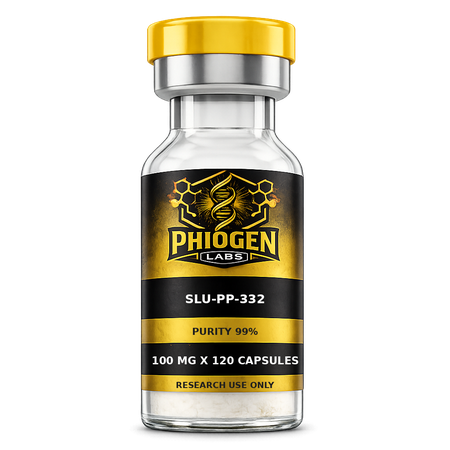
SLU-PP-332
100 MG x120 Capsules
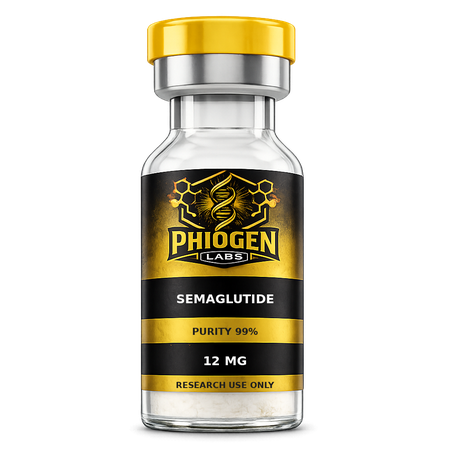
Semaglutide
12 MG
Survodutide
10 MG
Tesofensine
500 MCG x30 Capsules
Reading the Receptor Count
The clearest way to organise this shelf is by how many receptors a compound engages. Semaglutide is GLP-1 only. Tirzepatide adds GIP, which improves insulin-stimulated glucose uptake in adipose tissue and appears to soften the gastrointestinal profile rather than compound it. Retatrutide adds glucagon receptor activity on top of both, and that one is categorically different from the other two because it raises energy expenditure instead of lowering intake. Mazdutide and Survodutide occupy the middle ground with their own receptor combinations. More receptors is not automatically better — it means more simultaneous mechanisms, more variables, and a wider side-effect surface.
Vial Sizing and Escalation Maths
Escalation is the reason this shelf carries the same compound in four or five sizes rather than one. A structured four-week step protocol from a minimum effective dose consumes a predictable total, and buying the wrong size means either running out mid-escalation or holding reconstituted material past its stability window. Reconstituted GLP-class peptides hold at 2–8°C for a matter of weeks, not months, so oversizing is a real cost rather than a hedge. Work backwards from the protocol length before choosing a vial, not forwards from the price per milligram.
The Compounds That Are Not Incretins
Roughly a third of this shelf does not touch the GLP-1 receptor at all. 5-Amino-1MQ inhibits nicotinamide N-methyltransferase to raise intracellular NAD+ and reduce triglyceride accumulation in adipocytes, and it is oral. BAM-15 is a mitochondrial protonophore that uncouples oxidative phosphorylation so energy leaves as heat. SLU-PP-332 targets estrogen-related receptors to mimic parts of the exercise response. Tesofensine is a monoamine reuptake inhibitor with a genuinely different risk profile from anything else on the shelf. These are earlier-stage compounds with thinner evidence, and treating them as incretin substitutes rather than adjuncts is the most common mistake made with them.
What Gets Studied Alongside
Two co-administrations show up in almost every protocol built off this shelf. The first is BPC-157, because slowed gastric emptying is the mechanism doing the work and also the mechanism causing the complaints, and BPC-157's gastroprotective evidence is the most replicated finding in its entire dataset. The second is a GH secretagogue from the Sizemaxxing shelf, run specifically to counteract lean tissue loss during an extended deficit. Neither is optional in any serious protocol, and both are cheap relative to the primary compound.