6 compounds · from $62.99
Sharpmaxxing — Semax, Selank, DSIP & CNS Neuropeptides
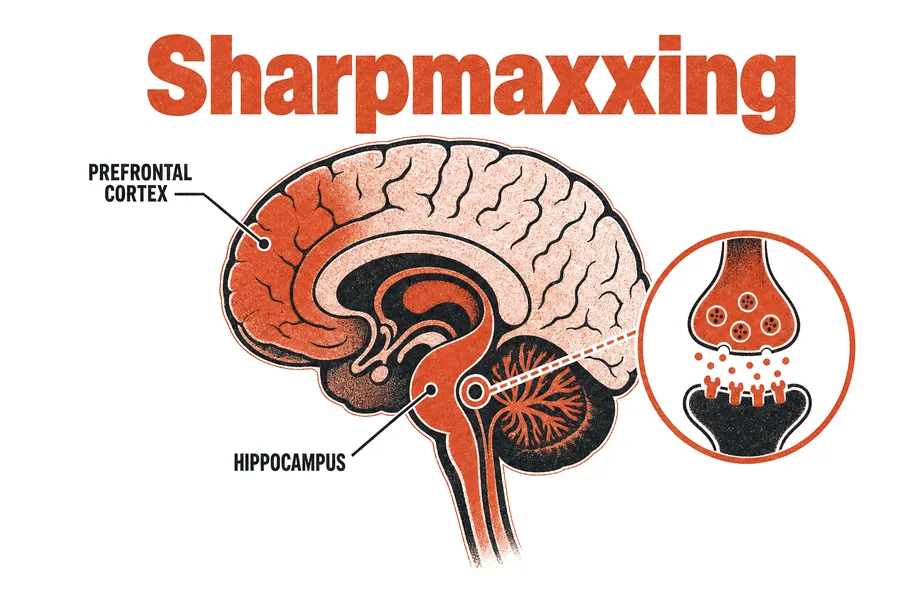
Sharpmaxxing collects the peptides small enough and stable enough to reach the central nervous system, which is a far shorter list than the nootropics market would suggest. Nearly all of it came out of Soviet and Russian research programmes from the 1970s onward and carries trial data that never crossed into Western literature in any organised way — which means the evidence is real but hard to audit from outside. The four mechanisms represented here are genuinely distinct: neurotrophin upregulation, GABAergic modulation, sleep architecture, and potassium channel blockade. Route matters more on this shelf than anywhere else, since most of these are intranasal rather than subcutaneous. Check each product page before reconstituting.
DSIP
10 MG
N-Acetyl Semax Amidate
30 MG
NA-Selank Amidate
10 MG
P21
10 MG
PE-22-28
10 MG
Selank
10 MG
Stability Is the Whole Problem
Native Semax and Selank have serum half-lives measured in minutes, which is a serious obstacle for anything that has to survive long enough to reach the CNS. Acetylating the N-terminus and amidating the C-terminus blocks the exopeptidases that degrade a peptide from both ends, and the modified versions deliver a substantially longer window of activity from an equivalent dose. That is why the N-acetyl amidated forms are stocked alongside the plain ones rather than replacing them. For intranasal use — short path, less enzymatic exposure — the plain forms remain a defensible cheaper option.
Semax and the BDNF Literature
Semax is a synthetic fragment of ACTH(4-10) with a Pro-Gly-Pro tail added for stability, and the mechanism most consistently cited is BDNF and NGF upregulation in the hippocampus. It carries a registered clinical indication in Russia covering stroke recovery, cognitive impairment and certain optic nerve conditions, which is more regulatory standing than almost anything else in this catalogue has anywhere. Western replication is thin. Both of those things are true at once and neither cancels the other.
DSIP Is About Sleep Quality, Not Sedation
Delta Sleep-Inducing Peptide is named for what it was isolated in connection with rather than for a sedative effect it does not produce. The interest is in slow-wave sleep proportion — the delta stage where growth hormone release concentrates and where the restorative work of a night actually happens. It will not put anyone to sleep and people expecting a hypnotic consistently report disappointment. Three vial sizes are stocked so that occasional use and structured protocols can both buy appropriately rather than discarding reconstituted material.
PE-22-28 and Why the Timeline Matters
PE-22-28 is a spadin analogue that blocks the TREK-1 potassium channel. TREK-1 knockout produces a depression-resistant phenotype in rodents, and pharmacological blockade appears to reproduce antidepressant-like effects over days rather than the several weeks SSRIs require — that speed is the entire reason the channel attracted attention. The evidence is wholly preclinical and the compound is nowhere near a human indication. It is stocked for researchers tracking the channel-modulation literature and should be understood in those terms.