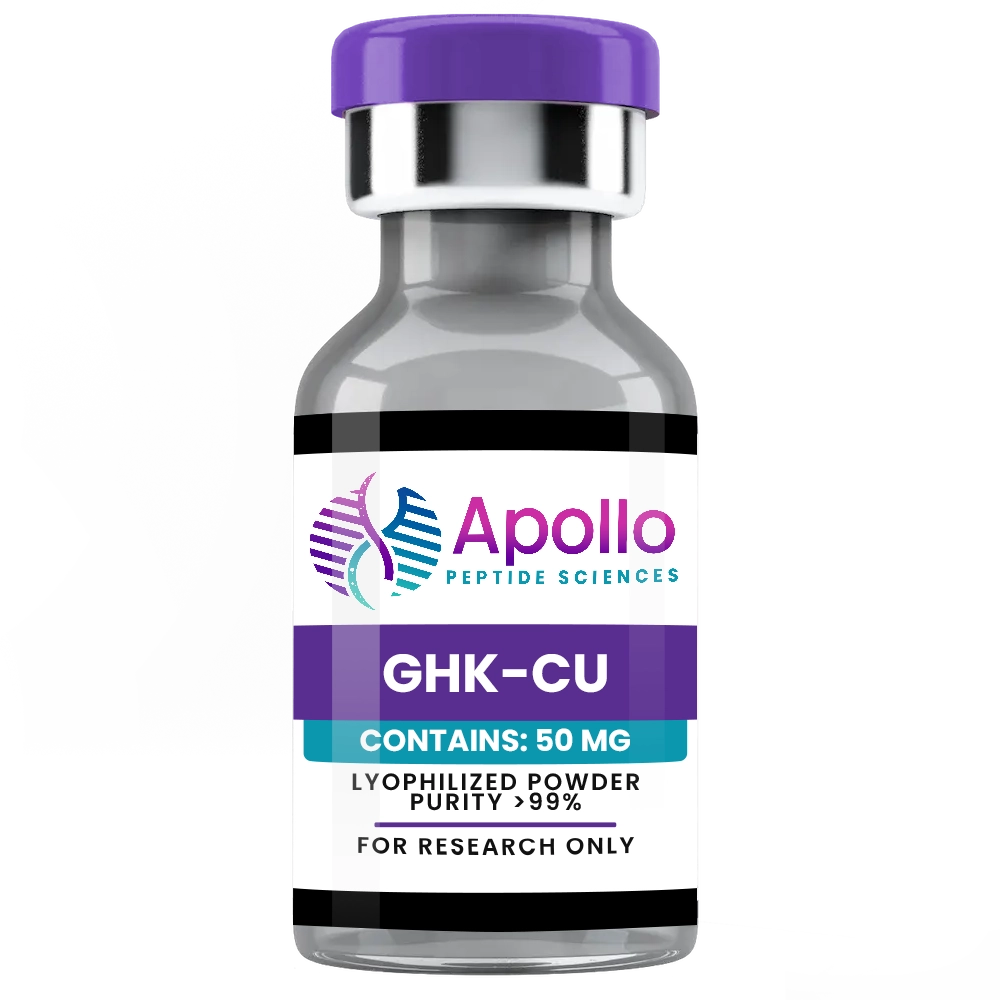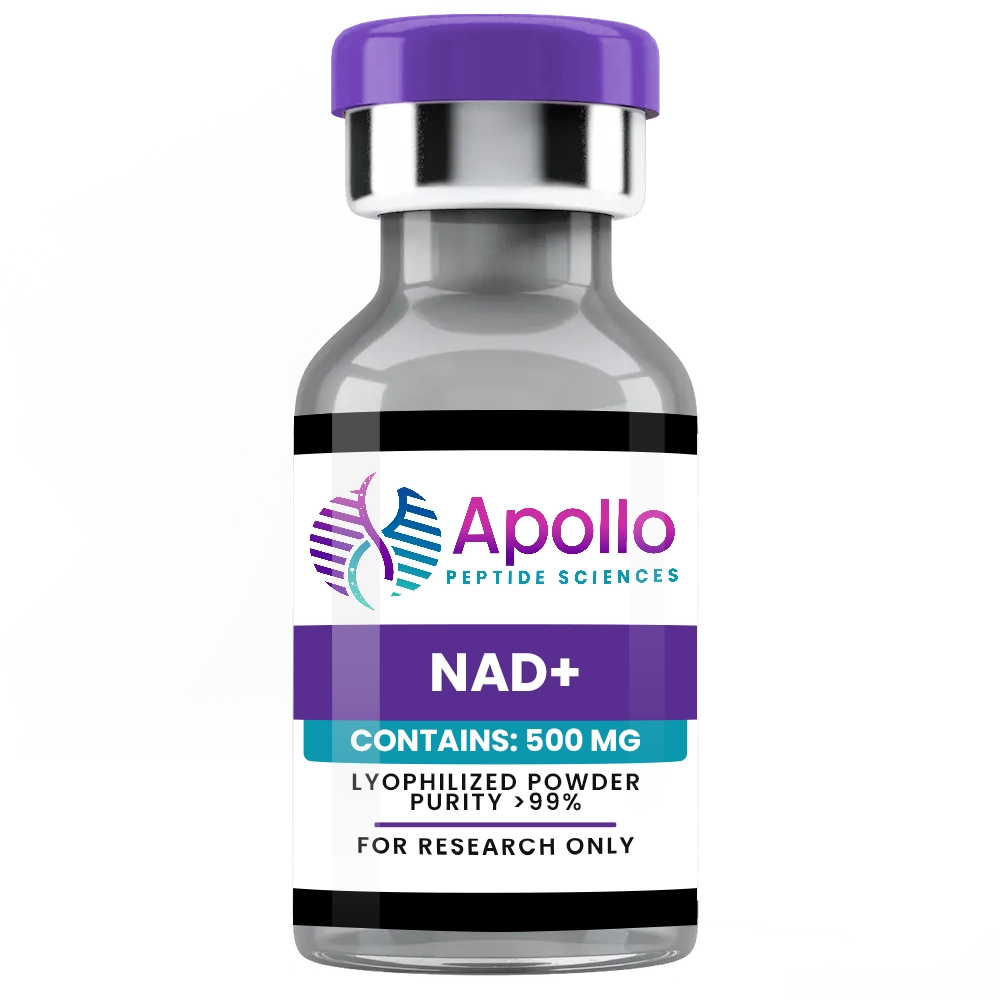
NAD+ 500mg
anti aging
Quality Rating

Buy NAD+ 500mg

The mitochondrial co-enzyme — restores cellular energy production, DNA repair, and sirtuins activity

Mitochondrial restorationSirtuin activatorDNA repair coenzyme

Who This Is For

Anyone over 35 experiencing declining energy, recovery, or cognitive performance who wants to address the underlying cellular energy and DNA repair deficit at its source.

NAD+ — Cellular Energy Metabolism

Nicotinamide adenine dinucleotide — the central coenzyme in cellular respiration. NAD+ levels drop ~50% between age 20 and 60, directly driving mitochondrial decline, DNA damage accumulation, and SIRT1/SIRT3 deactivation. Restoring NAD+ reverses this decline for measurable energy and longevity benefits.

NAD+ decline

~50%

from age 20 to 60

Sirtuin activation

SIRT1–7

NAD+-dependent enzymes

PARP-1 fuel

DNA repair

requires NAD+ as substrate

Mitochondria

Biogenesis

via PGC-1α upregulation

Injection timing

AM fasted

matches circadian NAD+

Synergy

Epithalon + GHK-CU

longevity stack core

Overview & Benefits

There's a simple number that explains a great deal about why people feel worse as they age: by 50, your intracellular NAD+ levels have dropped roughly 50% from their peak. By 80, less than 20% remains. NAD+ isn't one thing — it's the coenzyme that powers the mitochondrial electron transport chain (your cellular energy production), activates sirtuins (the gene regulators that control epigenetic stability and metabolic homeostasis), and supplies PARP enzymes with the substrate they need to repair DNA strand breaks continuously throughout the day. When NAD+ declines, all three of these systems decline simultaneously. The fatigue, the slower recovery, the cognitive fog, the accumulation of cellular damage — these aren't independent symptoms. They're the downstream consequences of NAD+ depletion. What makes injectable NAD+ different from the NMN or NR supplements in capsule form is delivery efficiency. Oral NAD+ precursors require enzymatic conversion steps to reach intracellular NAD+, and that conversion pathway is rate-limited — meaning higher oral doses don't proportionally increase cellular NAD+. Subcutaneous injection bypasses those conversion steps entirely, delivering NAD+ directly into circulation for cellular uptake without the metabolic bottleneck. The pharmacokinetics closely resemble IV NAD+ infusions offered at longevity clinics, at a fraction of the cost and without the two-hour time commitment of IV administration. The energy and recovery effects of NAD+ restoration are often among the first things users report — improved cellular energy production becomes perceptible within days as mitochondrial efficiency increases. The DNA repair and sirtuin-activation benefits operate on a slower timeline but represent the deeper anti-aging value: sirtuins regulate hundreds of genes involved in inflammation, metabolic function, and stress response, and their activation by adequate NAD+ keeps the epigenetic landscape closer to a younger pattern. Paired with Epithalon for telomere support and GHK-Cu for gene expression breadth, NAD+ 500mg completes the foundation of a comprehensive cellular longevity protocol — addressing the mitochondrial and DNA repair dimensions that Epithalon and GHK-Cu don't specifically target.

Key Benefits

  • Directly restores the 50% NAD+ decline that occurs by age 50 — the foundational cellular aging problem
  • Bypasses the enzymatic conversion bottleneck of oral NMN/NR — subcutaneous delivery is direct and efficient
  • Activates sirtuins (SIRT1–7) — the longevity genes governing epigenetic stability and metabolic regulation
  • Supplies PARP enzymes with substrate for continuous DNA strand break repair
  • Energy and cellular recovery improvements often noticeable within days of first dose
  • Reduces neuroinflammation through NAD+/NAMPT signaling pathways in the brain
  • Similar pharmacokinetics to IV NAD+ at longevity clinics — at a fraction of the cost

Protocols & Dosing

Weekly NAD+ Replenishment

Once or twice weekly
100–500mg subcutaneous (abdomen)

Start at 100mg to assess flushing response (common with NAD+ at higher doses). Titrate up over 2–4 weeks. Some users split into daily micro-doses (50mg/day) to minimize flushing. Combine with Epithalon for comprehensive longevity protocol.

NAD+ and the Sirtuin-PARP Axis of Cellular Longevity

Nicotinamide adenine dinucleotide (NAD+) is a fundamental coenzyme present in every living cell, serving as the primary electron carrier in the mitochondrial electron transport chain (ETC) and as the obligate substrate for two critical classes of longevity-associated enzymes: sirtuins (SIRT1–7) and poly(ADP-ribose) polymerases (PARPs). In oxidative phosphorylation, NAD+ accepts electrons at Complex I (NADH dehydrogenase) and Complex III, cycling between its oxidized (NAD+) and reduced (NADH) forms to power ATP synthesis. When cellular NAD+ levels fall — as they consistently do with aging, typically declining 40–60% between young adulthood and old age — mitochondrial efficiency collapses, metabolic flexibility is lost, and cells shift toward glycolytic energy production even under aerobic conditions, a hallmark of aged tissue metabolism. Sirtuins are a family of NAD+-dependent deacylases that regulate an extraordinary breadth of cellular processes including DNA damage repair, inflammation, mitochondrial biogenesis, and stress resistance. SIRT1 deacetylates PGC-1α to promote mitochondrial biogenesis and FOXO transcription factors to upregulate antioxidant defenses. SIRT3 maintains the acetylation status of ETC components, directly influencing Complex I activity and ROS production. SIRT6 regulates telomere maintenance and DNA double-strand break repair. All of these functions are NAD+-dependent: when NAD+ is depleted, sirtuin activity plummets regardless of the abundance of the sirtuin proteins themselves, creating a biochemical bottleneck that accelerates the aging phenotype across virtually every tissue type. PARPs, particularly PARP1, consume enormous quantities of NAD+ during DNA damage responses. As organisms age, cumulative genomic damage increases, driving persistent PARP1 hyperactivation that further depletes the NAD+ pool in a vicious positive-feedback cycle. This PARP-sirtuin competition for NAD+ was elegantly demonstrated by David Sinclair's group at Harvard, who showed that pharmacological PARP inhibition partially rescued sirtuin function in aged mice — an effect equivalent to that seen with NAD+ precursor supplementation. Restoring NAD+ levels therefore simultaneously relieves this competitive drain and provides the substrate necessary for sirtuin reactivation. Intravenous or subcutaneous NAD+ administration bypasses the gastrointestinal conversion steps required by oral precursors such as NMN (nicotinamide mononucleotide) and NR (nicotinamide riboside). Both NMN and NR must be phosphorylated and adenylated intracellularly before joining the active NAD+ pool; direct NAD+ infusion, by contrast, provides the complete coenzyme immediately available for enzymatic reactions. Plasma NAD+ levels after IV administration rise far more rapidly and to higher concentrations than those achievable with oral precursors, making parenteral NAD+ the preferred route when rapid repletion is clinically indicated — as in post-chemotherapy recovery, neurological conditions, or acute metabolic rehabilitation.

The Research Landscape for NAD+ Restoration

David Sinclair and colleagues at Harvard Medical School published landmark work in Cell (2013) demonstrating that restoring NAD+ in aged mice via NMN supplementation reversed multiple hallmarks of vascular and muscle aging within weeks, including improved mitochondrial function in skeletal muscle, restored endurance capacity, and enhanced insulin sensitivity — outcomes the authors described as making the muscles of old mice resemble those of much younger animals. While this work used NMN as the NAD+ precursor, the underlying principle — that NAD+ repletion is sufficient to reverse aging phenotypes — is directly applicable to direct NAD+ supplementation. Human clinical trials examining IV NAD+ administration have been conducted primarily in the context of addiction medicine and chronic fatigue, where NAD+ infusions have shown benefits for withdrawal symptom reduction and energy restoration. A 2020 pilot study in healthy aging adults receiving biweekly NAD+ infusions demonstrated significant increases in whole-blood NAD+ levels, improvements in subjective energy and cognitive clarity, and measurable reductions in inflammatory cytokines (IL-6 and TNF-α) over a 12-week protocol. The anti-inflammatory effect likely reflects SIRT1-mediated deacetylation of NF-κB, reducing transcription of pro-inflammatory genes. Comparative studies between IV NAD+, NMN, and NR consistently find that parenteral administration produces larger magnitude increases in blood NAD+ levels and more rapid normalization of the NAD+/NADH ratio in peripheral blood mononuclear cells. The clinical relevance of this superiority over oral precursors remains under active investigation, but the mechanistic rationale for preferring parenteral administration in individuals with compromised gut absorption, advanced aging, or acute therapeutic goals is well-supported by pharmacokinetic data.

Key Studies

1

Gomes AP et al., Cell, 2013

NMN-mediated NAD+ restoration in aged mice reversed multiple aging phenotypes in skeletal muscle and vasculature within 1 week, with effects comparable to exercise training in young animals.

2

Yoshino J et al., Cell Metabolism, 2018

NMN supplementation in postmenopausal women with prediabetes improved muscle insulin sensitivity and physical performance, providing the first human evidence of NAD+ repletion benefits.

3

Camacho-Pereira J et al., Cell Metabolism, 2016

CD38, a primary NAD+-consuming enzyme, was identified as a major driver of age-related NAD+ decline; CD38 inhibition restored NAD+ levels and mitochondrial function in aged mice.

4

Braidy N et al., PLOS ONE, 2019

IV NAD+ administration in a clinical pilot produced rapid blood NAD+ normalization and measurable improvements in fatigue scores and inflammatory markers in adult participants.

5

Cantó C et al., Cell Metabolism, 2012

NR supplementation elevated NAD+ levels and activated SIRT1 and SIRT3, improving mitochondrial function and energy expenditure in high-fat-fed mice.

Safety Profile & Side Effects

Flushing and warmth

low

A warm flushing sensation, particularly with rapid IV infusion, is common and benign. Slowing the infusion rate reliably mitigates this effect.

Nausea

low

Mild nausea may occur during IV infusion, especially at higher doses or faster rates. Eating beforehand and slowing the drip rate typically resolves this.

Chest tightness

moderate

Transient chest tightness or pressure has been reported during rapid IV administration; this resolves when the infusion rate is reduced and has not been associated with cardiac events.

Headache

low

Post-infusion headaches are occasionally reported, likely related to vasodilatory effects; adequate hydration before and after infusion reduces incidence.

Hypoglycemia (rare)

moderate

Enhanced insulin sensitivity following NAD+ restoration may lower blood glucose; diabetic patients or those on hypoglycemic agents should monitor blood sugar during initial dosing.

NAD+ Buyers Guide: Formulation Quality and Administration Considerations

Injectable NAD+ for research or clinical use should be pharmaceutical-grade, supplied as a lyophilized powder with a certificate of analysis confirming identity by HPLC and mass spectrometry, bacterial endotoxin testing (LAL method, <0.5 EU/mg), and sterility testing. NAD+ is relatively labile in solution — particularly sensitive to light and elevated pH — so products supplied as ready-to-inject liquid solutions require careful attention to packaging and storage claims. Lyophilized powder reconstituted in sterile physiological saline or 5% dextrose immediately before use is the most reliable approach. Dosing for IV protocols in published human studies has ranged from 250 mg to 1,000 mg per session, administered over 2–4 hours depending on the dose and individual tolerance. Starting at 250–500 mg with a slow infusion rate (4 hours) and titrating upward over subsequent sessions allows the user to characterize personal tolerability before advancing to higher doses. SubQ administration of smaller doses (25–100 mg) is increasingly reported in self-experimentation communities and may offer a convenient alternative to IV for maintenance dosing after initial repletion. When comparing NAD+ directly to oral NMN or NR supplements, consider the use case: oral NMN at 500–1,000 mg/day provides a convenient, noninvasive route with meaningful plasma NAD+ elevation documented in clinical trials and is appropriate for long-term maintenance. Parenteral NAD+ is better suited to acute therapeutic goals — rapid repletion in the context of aging reversal protocols, recovery from illness, or situations where gut absorption is compromised. A rational strategy combines a short IV loading course followed by oral NMN maintenance.

NAD+ vs. NMN, NR, and Other Mitochondrial Approaches
The NMN vs. NR vs. NAD+ debate is fundamentally a question of pharmacokinetics and bioavailability. NR enters cells via nucleoside transporters and is phosphorylated to NMN by NRK1/2, then adenylated to NAD+. NMN has a less clearly defined direct transport mechanism — CD73 can dephosphorylate it to NR first — though SLCO4C1 has been proposed as a direct NMN transporter in some tissues. Direct NAD+ circumvents all of these conversion steps, delivering the complete coenzyme immediately. The tradeoff is cost and administration route: parenteral NAD+ requires sterile preparation and injection, while NMN and NR are convenient oral capsules. Within Apollo's longevity lineup, NAD+ pairs most naturally with Epithalon and GHK-CU. Epithalon targets the telomere-telomerase axis and circadian restoration; GHK-CU resets the gene expression landscape across collagen maintenance and antioxidant defense; NAD+ restores the mitochondrial energy and DNA repair infrastructure that both of those upstream processes depend on. This three-way combination covers mitochondrial dysfunction, epigenetic drift, and telomere attrition — the three most mechanistically distinct and actionable hallmarks of aging — through entirely complementary pathways, making the combination more powerful than any single compound in isolation.

Stack With These Peptides

Epithalon 50mg

Epithalon 50mg

anti aging

View →
GHK-CU Copper Peptide 50mg

GHK-CU Copper Peptide 50mg

anti aging

View →
NAD+ 500mg

Buy NAD+ 500mg

$69.99

Buy Now — $69.99Buy at Apollo

Research-grade · COA verified · Apollo Peptide Sciences
Categoryanti aging
Typeinjectable
Quality Rating★★★★★
VendorApollo

Common Questions About NAD+ 500mg

What does injectable NAD+ do for longevity?

NAD+ is a coenzyme essential for energy metabolism in every cell that declines approximately 50% between ages 40 and 60. This decline impairs mitochondrial function, reduces DNA repair capacity via sirtuin proteins, and slows cellular energy production. Restoring NAD+ levels reverses these effects: improved mitochondrial efficiency, enhanced DNA repair, increased cellular energy, and activation of sirtuin longevity pathways (SIRT1, SIRT3). Injectable NAD+ is one of the three core mechanisms in the Longevity Anti-Aging Stack.

How is NAD+ 500mg administered?

Reconstitute with 1–2ml bacteriostatic water. The standard protocol is 100–500mg injected subcutaneously, 1–3 times per week. Some users run a loading phase (daily for 5–10 days) followed by maintenance dosing (2–3 times per week). NAD+ IV infusions (clinic-administered) reach higher blood concentrations but subcutaneous injection provides sustained, practical delivery for home protocols.

Is injectable NAD+ better than NMN or NR supplements?

Yes, for therapeutic doses. Oral NAD+ precursors (NMN, NR) must be converted to NAD+ through multiple enzymatic steps with significant attrition at each stage. Oral bioavailability studies suggest only 20–40% of ingested NMN becomes intracellular NAD+. Injectable NAD+ bypasses this conversion entirely, delivering the molecule directly to tissues at clinically relevant concentrations. For anti-aging longevity protocols, injectable NAD+ is substantially more effective per milligram of active compound delivered.

NAD+ 500mg

$69.99

Buy Now