Restore Follicle Biology.
Regrow What Was Lost.
Hair loss is a follicle biology problem — stem cell activation failure, dermal vascularity loss, and gene expression shifts in the dermal papilla. Peptides like TB-500, BPC-157, and GHK-CU address each of these mechanisms directly, using the same biological pathways that hair follicles rely on for normal growth.
3 Mechanisms, 3 Peptides
Hair loss has multiple causes that act simultaneously. Addressing only one mechanism produces partial results. This protocol covers all three.
Stem Cell Activation
TB-500 (Thymosin Beta-4)Thymosin Beta-4 modifies the G-actin/F-actin ratio in follicle bulge stem cells, promoting cell migration and activation. The bulge region contains multipotent stem cells that must be activated at the start of each anagen (growth) phase. TB-500 provides the activation signal that initiates this process — driving stem cell differentiation into hair matrix cells.
Research basis: Journal of Investigative Dermatology: TB-500 promotes hair follicle stem cell activation and anagen phase initiation. Human clinical trial demonstrating significant hair count increase and terminal hair conversion.
Scalp Vascularity Restoration
BPC-157Anagen follicles are metabolically demanding — active hair matrix cells divide more rapidly than almost any other cell type in the body, requiring dense capillary networks for oxygen and nutrient delivery. Miniaturized follicles in androgenetic alopecia show characteristic loss of dermal papilla vascularity. BPC-157's VEGF-driven angiogenesis restores this capillary network.
Research basis: Multiple studies confirming BPC-157-driven VEGF upregulation and new capillary formation. Improved dermal vascularity in models of compromised microcirculation is well-established.
Follicle Gene Expression
GHK-CUThe dermal papilla — the command center of the hair follicle — controls hair shaft diameter, growth rate, and pigmentation through gene expression signals. GHK-CU has been shown to increase follicle size in culture, upregulate dermal papilla cell proliferation, and extend the anagen phase by modulating the gene expression environment that determines follicle fate.
Research basis: Pickart et al. demonstrating GHK-CU increases follicle size and dermal papilla cell proliferation. Anti-inflammatory effects reduce the chronic perifollicular inflammation that characterizes androgenetic alopecia.
TB-500 & Hair: The Clinical Evidence
What the Research Shows
Thymosin Beta-4 was originally identified as a wound healing peptide. Its role in hair biology was established when researchers discovered that TB-500 — through its G-actin sequestering mechanism — promotes the migration and activation of follicle bulge stem cells.
The key clinical finding: in an alopecia areata trial, TB-500 treatment produced measurable increases in anagen hair count and conversion of telogen (dormant) follicles to anagen (active) follicles. The terminal hair conversion effect — thin, unpigmented vellus hairs becoming thick, pigmented terminal hairs — is considered the gold standard outcome measure for hair loss treatment.
Why Other Treatments Fall Short
- Minoxidil: Vasodilator only — improves blood flow but does not activate follicle stem cells
- Finasteride: DHT blocker only — addresses one cause without healing existing miniaturization
- Topical caffeine: Very mild vasodilator, no stem cell mechanism
- TB-500: Acts on the stem cell activation step that all other treatments miss
- BPC-157: Adds the angiogenic component minoxidil attempts but executes more completely
Hair Loss Types & Recommended Peptides
| Hair Loss Type | Primary Mechanism | Best Peptides | Assessment |
|---|---|---|---|
| Androgenetic alopecia (male/female pattern) | DHT miniaturization + inflammation | TB-500 + GHK-CU + BPC-157 | Likely Effective |
| Telogen effluvium (stress shedding) | Premature telogen phase shift | TB-500 + BPC-157 | Highly Effective |
| Alopecia areata (autoimmune) | Immune-mediated follicle destruction | BPC-157 + GHK-CU | Moderate Evidence |
| Post-illness/nutritional shedding | Systemic stress, nutrient deficit | TB-500 + BPC-157 | Effective |
| Age-related thinning (miniaturization) | Follicle cycling impairment | TB-500 + GHK-CU | Likely Effective |
| Post-hormonal hair loss | Hormonal phase disruption | TB-500 + BPC-157 + GHK-CU | Moderate Evidence |
Hair Restoration Protocol — Dosing Guide
TB-500 (Loading)
Weeks 1–4: 2.5mg twice weekly subcutaneous
Weeks 5–8: 2.5mg once weekly
Maintenance: 2mg every 10–14 days
Reconstitute: 10mg + 2ml bac water = 5,000mcg/ml
BPC-157 (Continuous)
Dose: 250–500mcg/day subcutaneous
Site: Posterior neck / any abdominal site
Duration: Run continuously alongside TB-500
Reconstitute: 10mg + 2ml bac water = 5,000mcg/ml
GHK-CU (Long-term)
Dose: 1–2mg/day subcutaneous
Duration: Minimum 12 weeks; can run indefinitely
Bonus: Apply topical GHK-CU solution to scalp
Reconstitute: 50mg + 5ml bac water = 10,000mcg/ml
Expected Timeline
Weeks 4–8: Reduced shedding; improved scalp fullness. Weeks 8–16: New hair emergence; vellus-to-terminal conversion begins. Weeks 16–24: Full assessment of hair count change and density improvement. Patience is essential — follicle biology operates on weeks-to-months timescales.
Hair Restoration Stack — Pre-Built Protocol
TB-500 + BPC-157 + GHK-CU with complete dosing schedule and reconstitution guide.
Hair Restoration Peptides
3 peptides targeting follicle biology — sourced from Apollo
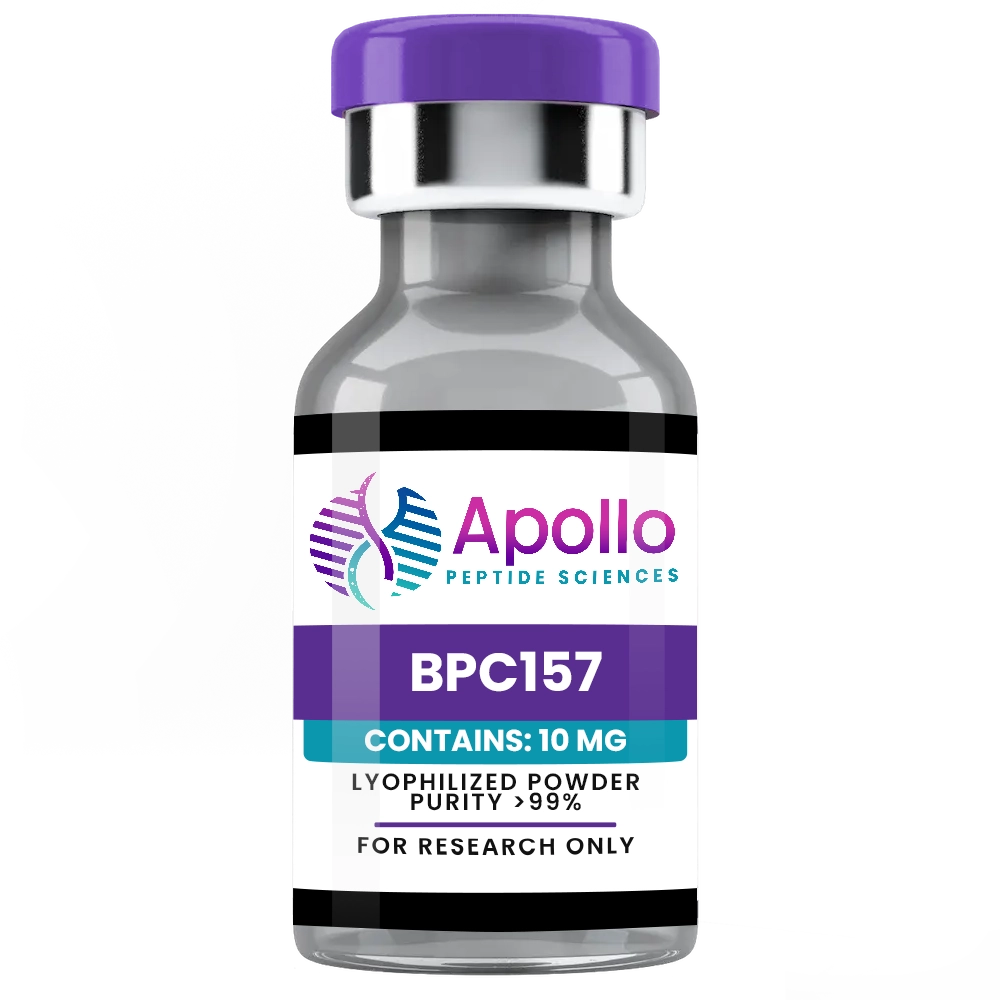
BPC-157 10mg
The body's own repair peptide — accelerates healing in tendon, muscle, gut, and nerve tissue
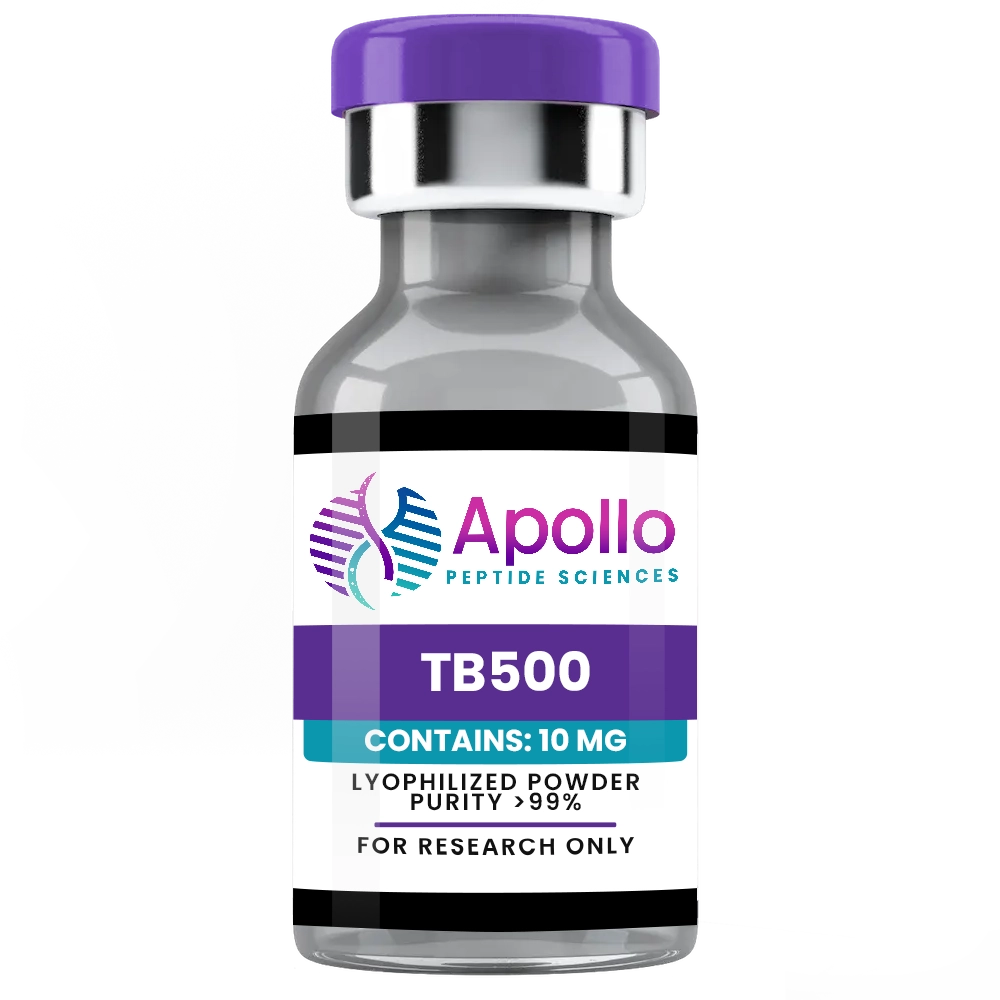
TB-500 10mg
Systemic tissue repair peptide — regenerates muscle, accelerates recovery, reduces inflammation body-wide
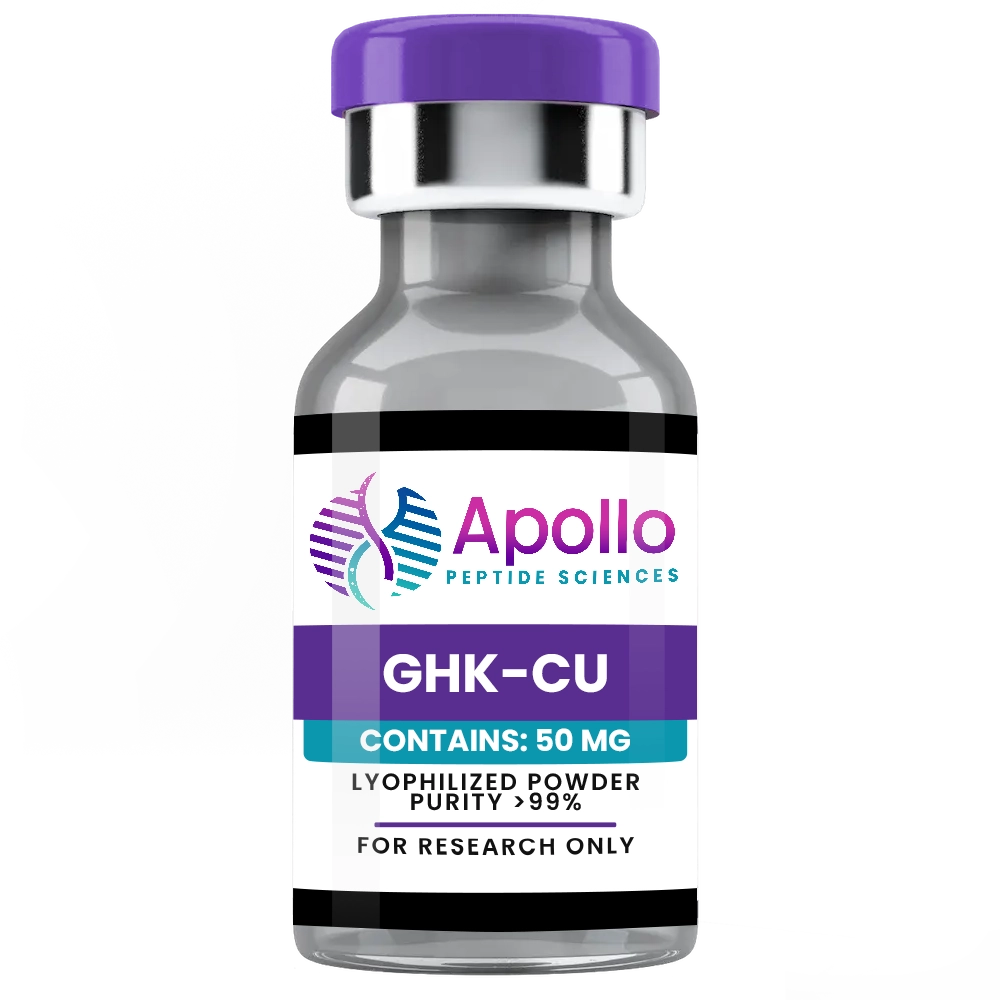
GHK-CU Copper Peptide 50mg
Copper tripeptide that regulates 4,000+ genes — anti-aging, wound healing, and collagen synthesis
Related Protocols
TB-500 10mg
Thymosin Beta-4 — clinical evidence for follicle stem cell activation.
BPC-157 10mg
Scalp angiogenesis and dermal vascularity for follicle nutrition.
Hair Restoration Stack
TB-500 + BPC-157 + GHK-CU — the three-mechanism hair protocol.
Looks Maxxing Hub
Tanning, skin, hair, and body composition — the complete guide.