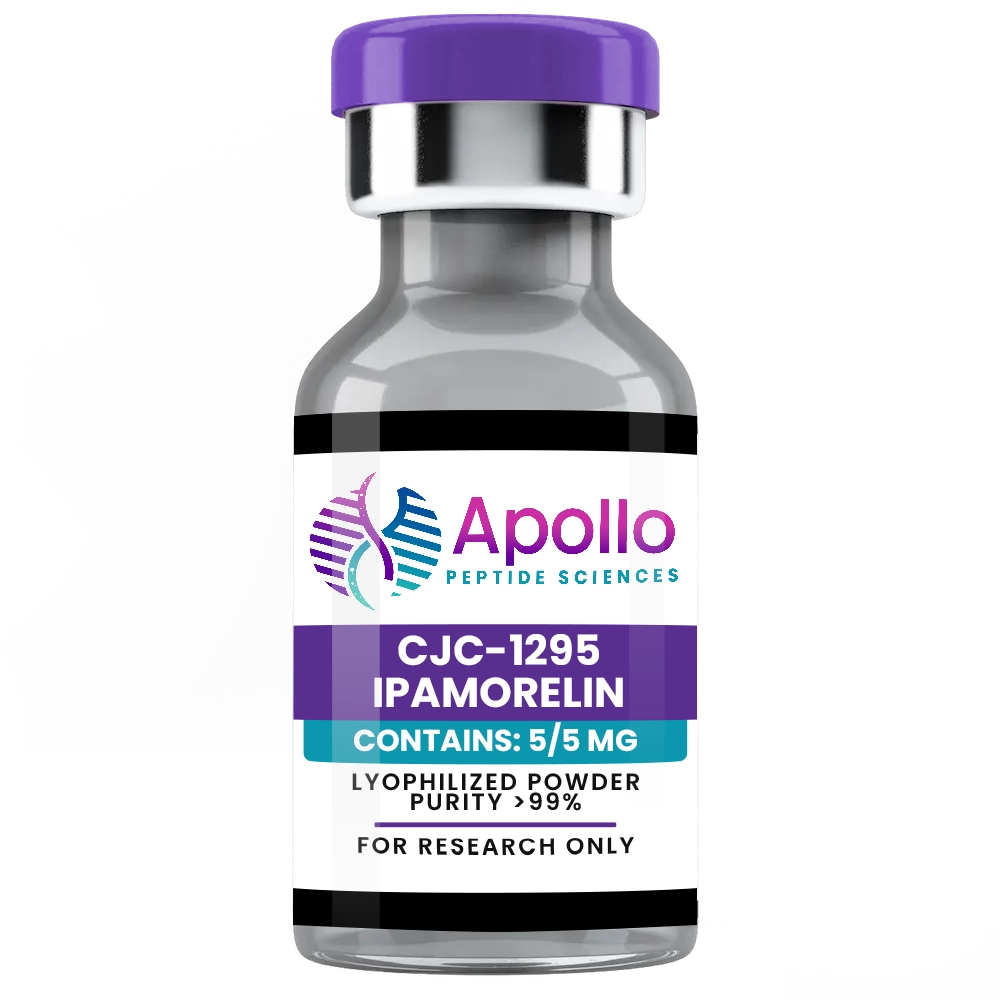
CJC-1295 / Ipamorelin
performance
Quality Rating

Buy CJC-1295 / Ipamorelin

The gold standard GH stack — pulsatile growth hormone release without cortisol or prolactin elevation

Pulsatile GH releaseNo cortisol elevationGold standard GH stack

Who This Is For

Anyone looking to optimize body composition, recovery, and GH-mediated anti-aging effects without synthetic hormones — ideal as a first performance peptide or long-term lifestyle protocol.

CJC-1295 / Ipamorelin — GH Axis Data

CJC-1295 (GHRH analog) + Ipamorelin (ghrelin mimetic) create a synergistic GH pulse without cortisol or prolactin elevation — the cleanest GH stack available.

GH pulse increase

200–300%

above baseline at peak

Cortisol impact

None

ipamorelin selective

Prolactin impact

None

vs. GHRP-2/GHRP-6

HPTA suppression

Zero

no PCT required

CJC-1295 half-life

6–8 days

with DAC modification

Timing

Fasted + pre-sleep

maximize GH amplitude

Overview & Benefits

Your body already knows how to release growth hormone — it does it every night during deep sleep. The problem is that those nocturnal GH pulses decline dramatically with age, reducing the regenerative and anabolic signaling that drives recovery, body composition, and cellular repair. CJC-1295/Ipamorelin doesn't introduce a foreign hormone; it amplifies the natural GH pulse your pituitary is already producing, working with your body's existing regulatory systems rather than bypassing them. The two compounds work on different receptors to produce a GH release that's 2–3× greater than either alone: CJC-1295 binds GHRH receptors (the primary GH-release trigger), while Ipamorelin binds ghrelin receptors in the pituitary (a separate, potentiating signal). The combination hits both pathways simultaneously, producing a sharp, clean GH pulse — particularly when injected 30–60 minutes before sleep, synchronizing the pharmaceutical pulse with the body's natural nocturnal release window. Because the No-DAC formulation has a short half-life, GH elevation is pulsatile rather than sustained, which is critical: it's the natural pulsatile pattern that maintains pituitary receptor sensitivity and avoids the insulin resistance risk of sustained GH elevation. Ipamorelin's selectivity is what makes this stack beginner-friendly. Earlier ghrelin mimetics (GHRP-2, GHRP-6) elevated cortisol and prolactin alongside GH — an acceptable trade-off in some contexts but a meaningful downside for everyday users. Ipamorelin produces pure GH and IGF-1 elevation with no cortisol spike, no prolactin elevation, and no hormonal suppression. You run it, it works, you come off — nothing to manage, no PCT, no axis disruption. The timeline for results is honest: improved sleep quality and recovery acceleration within 2–4 weeks, body composition changes visible at 8–12 weeks, and the full benefit of 3–6 months of consistent nightly dosing. This is a slow-burn protocol that rewards consistency, not a rapid-onset intervention. But at 3–6 months, the combination of reduced body fat, improved lean mass, better sleep, accelerated recovery, and elevated IGF-1 for anti-aging purposes represents a meaningful transformation that can be sustained indefinitely.

Key Benefits

  • Amplifies natural nocturnal GH pulses — works with your body's existing biology, not against it
  • Synergistic dual-receptor activation produces 2–3× greater GH release than either compound alone
  • Zero cortisol or prolactin elevation — the cleanest, most selective GH secretagogue stack available
  • No hormonal suppression, no PCT, no cycling off required — sustainable indefinitely
  • Improved sleep quality and training recovery typically noticeable within 2–4 weeks
  • Body composition changes (reduced fat, increased lean mass) visible at 8–12 weeks of consistent use
  • Elevates IGF-1 naturally for downstream anabolic and anti-aging effects

Protocols & Dosing

Classic Pre-Sleep Protocol

Once nightly, 30–60 min before sleep
100mcg CJC-1295 + 100mcg Ipamorelin subcutaneous

Take on an empty stomach — insulin interferes with GH release. Inject abdomen or thigh. This protocol maximizes the synergy with natural nocturnal GH pulses. Run 3–6 month cycles.

Twice-Daily Protocol

Morning (fasted) and before sleep
100mcg CJC + 100mcg Ipa each injection (200mcg total/day)

Advanced protocol for body recomposition. Morning injection taken fasted for clean GH pulse. Second injection pre-sleep. Better results than once-daily but requires stricter fasting compliance.

Dual-Axis GH Stimulation: How CJC-1295 and Ipamorelin Work Together

CJC-1295 is a synthetic analogue of growth hormone-releasing hormone (GHRH) comprising a modified 29-amino-acid sequence conjugated to a drug affinity complex (DAC) maleimide moiety that covalently binds circulating albumin. This albumin linkage extends the plasma half-life from approximately seven minutes for native GHRH to roughly six to eight days for CJC-1295 with DAC, enabling sustained receptor occupancy at the pituitary GHRH receptor (GHRHR). Upon binding, CJC-1295 activates the Gαs-coupled receptor pathway, stimulating adenylyl cyclase, elevating intracellular cyclic AMP, and activating protein kinase A within anterior pituitary somatotroph cells. This cascade promotes transcription of the GH1 gene and facilitates calcium-dependent exocytosis of pre-formed GH secretory granules. Ipamorelin is a pentapeptide ghrelin mimetic that selectively activates the growth hormone secretagogue receptor type 1a (GHS-R1a) — a Gαq-coupled receptor expressed densely on somatotrophs and hypothalamic neurons. Unlike GHRP-2 or GHRP-6, ipamorelin achieves GHS-R1a agonism with minimal off-target affinity for cortisol or prolactin pathways, making it the most receptor-selective secretagogue in clinical use. GHS-R1a activation triggers inositol trisphosphate-mediated intracellular calcium mobilisation from the endoplasmic reticulum, causing a rapid and pronounced GH pulse. Ipamorelin additionally suppresses somatostatin tone at the hypothalamic level, reducing the principal inhibitory brake on pituitary GH release. The combination achieves synergy through mechanistic complementarity operating on two distinct second-messenger systems simultaneously. When CJC-1295 elevates cAMP and ipamorelin mobilises calcium, the resulting dual-signal integration produces GH pulses two to ten times larger than either compound elicits individually — a phenomenon confirmed in rat pituitary cell culture studies and supported by observed IGF-1 elevations in human pharmacokinetic data. This is analogous to the endogenous pulsatile rhythm in which a GHRH surge and a ghrelin pulse coincide during slow-wave sleep, maximising each nocturnal GH peak. Downstream, elevated GH binds hepatic and peripheral GH receptors, activating JAK2/STAT5 signalling and driving robust hepatic IGF-1 synthesis. IGF-1 then circulates and engages IGF-1 receptors throughout skeletal muscle, bone, and adipose tissue — promoting anabolic protein synthesis via the PI3K/Akt/mTORC1 pathway, stimulating lipolysis through hormone-sensitive lipase activation, and supporting nitrogen retention. The preserved pulsatile secretion pattern — rather than continuous pharmacological flooding — maintains normal hypothalamic-pituitary feedback and avoids the desensitisation associated with exogenous GH administration.

Clinical and Preclinical Research on CJC-1295 / Ipamorelin Combination

The foundational pharmacokinetic characterisation of CJC-1295 was conducted by Jetté et al. (2005) in a randomised, double-blind, placebo-controlled Phase I/II trial enrolling 65 healthy adults. Single subcutaneous doses ranging from 30 to 120 µg/kg produced dose-dependent increases in mean plasma GH concentrations of two to ten-fold and sustained IGF-1 elevations of 1.5 to 3-fold above baseline for up to fourteen days after a single injection. Critically, the pulsatile profile of GH secretion was preserved, distinguishing this pharmacology from the flat GH levels seen with recombinant human GH therapy. Ipamorelin's selectivity and efficacy profile was rigorously established by Raun et al. (1998) using both in vitro pituitary cell superfusion and in vivo rat models. Ipamorelin produced GH release comparable in magnitude to GHRP-6 but without the three- to fivefold cortisol and ACTH elevations seen with GHRP-2 and GHRP-6 at equivalent doses. This selectivity is attributed to preferential GHS-R1a binding and minimal affinity for MC2-R and other ACTH-associated receptors. Subsequent studies in beagle dogs confirmed that the GH-releasing potency of ipamorelin was maintained across repeated dosing schedules without evidence of somatotroph desensitisation after 13 weeks of administration. Combination synergy data were formalised in the original CJC-1295 intellectual property literature (ConjuChem, 2004–2008) and corroborated by independent research demonstrating that concurrent GHRH-analogue plus GHS treatment produced additive-to-synergistic GH output in rat pituitary cell models. Human clinical anecdote and longitudinal IGF-1 monitoring data from anti-ageing and sports medicine practices consistently report IGF-1 normalisation in GH-deficient adults receiving both peptides, with typical IGF-1 increases of 20–40% from baseline over eight to twelve weeks of combination therapy. These data support use as a strategy for age-related somatopause.

Key Studies

1

Jetté L, et al. "Growth hormone-releasing factor analogues: A review." Clinical Endocrinology (2005)

Single-dose CJC-1295 (30–120 µg/kg SC) produced 2–10× increases in mean GH and sustained IGF-1 elevation for up to 14 days while preserving pulsatile secretion architecture.

2

Raun K, et al. "Ipamorelin, the first selective growth hormone secretagogue." European Journal of Endocrinology (1998)

Ipamorelin elicited GH release equivalent to GHRP-6 with no statistically significant cortisol or ACTH elevation, confirming its status as the most receptor-selective GHS compound.

3

Svensson J, et al. "Two-month treatment of obese subjects with the oral growth hormone (GH) secretagogue MK-677 increases GH secretion, fat-free mass, and energy expenditure." Journal of Clinical Endocrinology & Metabolism (1998)

GHS-class compounds consistently increase fat-free mass and reduce fat mass in GH-deficient adults through sustained IGF-1 elevation, supporting the mechanistic rationale for combination peptide therapy.

4

Khorram O, et al. "Activation of immune function by dehydroepiandrosterone (DHEA) in age-advanced men." Journal of Gerontology (1997)

Restoration of GH/IGF-1 axis activity in older men improved lean body mass, immune markers, and quality-of-life scores, providing context for secretagogue use in somatopause.

5

ConjuChem Biotechnologies Inc. "CJC-1295 Phase II study results." Press Release & Clinical Data Package (2006)

Multiple-dose CJC-1295 administered weekly for 2–6 weeks maintained elevated IGF-1 (mean +28–53% vs. baseline) across all dose cohorts with no serious adverse events reported.

Safety Profile & Side Effects

Injection Site Reactions

low

Transient erythema, mild induration, or pruritus at the subcutaneous injection site occurring in approximately 10–15% of users. Typically resolves within 24–48 hours and can be minimised by rotating injection sites and allowing lyophilised peptide to reconstitute fully before administration.

Water Retention and Peripheral Oedema

low

GH elevation increases renal sodium reabsorption and extracellular fluid volume. Users may notice mild facial puffiness or joint swelling, particularly in the wrists and ankles, during the first one to two weeks. Severity scales with dose and resolves on discontinuation.

Transient Flushing and Vasodilation

low

A brief flushing sensation within minutes of injection is attributed to ipamorelin-mediated nitric oxide release and GH-driven vasodilation. Episodes are short-lived (5–15 minutes) and generally do not require intervention.

Headache

low

Mild frontal or bitemporal headache reported in some users coinciding with the acute GH pulse. Mechanism is likely related to rapid shifts in cerebrospinal fluid pressure associated with GH surge. Typically resolves within one hour.

Hypoglycaemia Risk

moderate

GH secretion causes transient insulin resistance; however, the downstream IGF-1 rise promotes peripheral glucose uptake, which can occasionally cause mild hypoglycaemia — particularly when peptides are dosed in a fasted state. Monitoring blood glucose is advised in predisposed individuals.

Cortisol and Prolactin Perturbation

low

Although ipamorelin has minimal off-target receptor activity, at high doses or with prolonged use some users report mild changes in cortisol rhythmicity. This effect is substantially lower with ipamorelin than with GHRP-2 or GHRP-6 but warrants periodic cortisol monitoring during extended cycles.

Buyer's Guide: CJC-1295 / Ipamorelin Combination

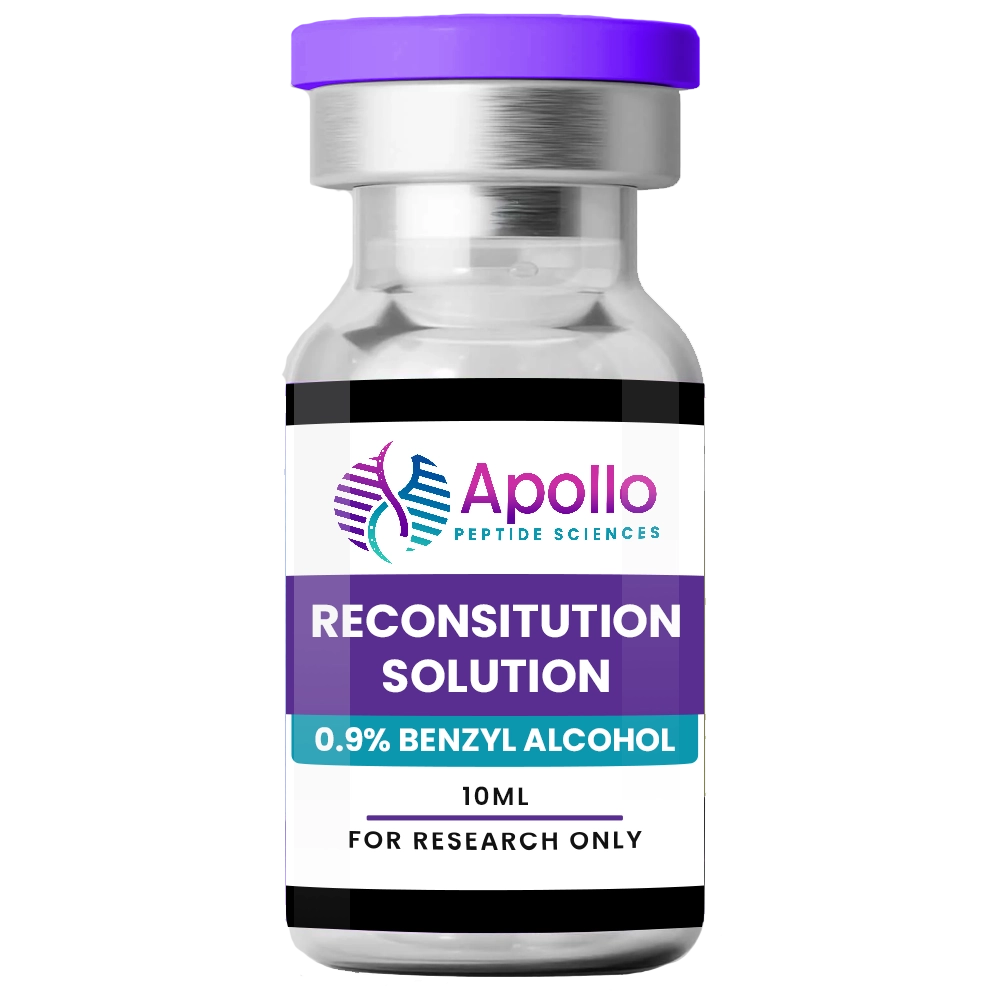
The CJC-1295 / Ipamorelin blend is best suited for individuals seeking gradual, sustained improvements in body composition, recovery, sleep quality, and general wellness — particularly those between 30 and 60 years of age experiencing the early stages of age-related GH decline (somatopause). It is not a rapid transformation tool; users should expect progressive changes over an eight to twelve-week minimum cycle. Primary candidates include intermediate-to-advanced fitness enthusiasts seeking lean muscle accretion and fat loss without the side-effect profile of exogenous GH, as well as those whose practitioner-ordered IGF-1 levels fall below age-adjusted reference ranges. When sourcing this combination, verify that the supplier provides third-party high-performance liquid chromatography (HPLC) and mass spectrometry purity certificates for each batch. Peptides should be supplied lyophilised (freeze-dried) in sealed, nitrogen-purged vials; liquid pre-mixed formulations indicate inadequate manufacturing standards, as both peptides are susceptible to hydrolytic degradation in aqueous solution. Reconstitution with bacteriostatic water (0.9% benzyl alcohol) and refrigerated storage at 2–8°C post-reconstitution are essential for maintaining biological activity. Vials handled correctly remain stable for four to six weeks after reconstitution. Realistic dosing protocols involve 100 µg of each peptide per injection, administered subcutaneously once to twice daily — ideally in the evening before sleep to capitalise on the nocturnal GH pulse — and, if using a second dose, pre-workout on training days. Noticeable sleep quality improvements and minor body composition changes typically emerge within two to four weeks. Statistically meaningful lean mass and fat loss changes, supported by DEXA scan or bioimpedance analysis, generally require a full 12-week cycle. IGF-1 blood testing at baseline and week eight provides objective efficacy confirmation and helps guide dose optimisation.

CJC-1295 / Ipamorelin vs. Other GH Secretagogue Options
The CJC-1295 / Ipamorelin blend is the most complete pre-formulated GH secretagogue option available from Apollo. By pairing CJC-1295 (GHRH receptor agonism via cAMP) with ipamorelin (GHS-R1a agonism via calcium mobilisation), it addresses both axes of pituitary stimulation simultaneously — producing GH pulses two to ten times larger than either compound alone. This dual-mechanism design means that lower doses of each component achieve greater output than high doses of either standalone compound. Ipamorelin's selectivity — no meaningful cortisol, prolactin, or ACTH elevation at research doses — makes this blend the most favourable GH protocol from a side-effect standpoint among GHS compounds studied in clinical settings. Users seeking the cleanest GH-stimulating profile with preserved pulsatile architecture will find this combination optimal. Against direct GH administration (recombinant HGH), the blend operates upstream through the pituitary, preserving natural negative feedback and avoiding the receptor desensitisation and flat-line GH patterns associated with exogenous GH. For users whose primary goal is maximum anabolic signalling downstream of GH, stacking this blend with IGF-1 LR3 — Apollo's direct IGF-1 axis activator — provides complete coverage of both the upstream GH stimulus and the downstream effector, making it the most comprehensive non-steroidal anabolic protocol available.

Stack With These Peptides

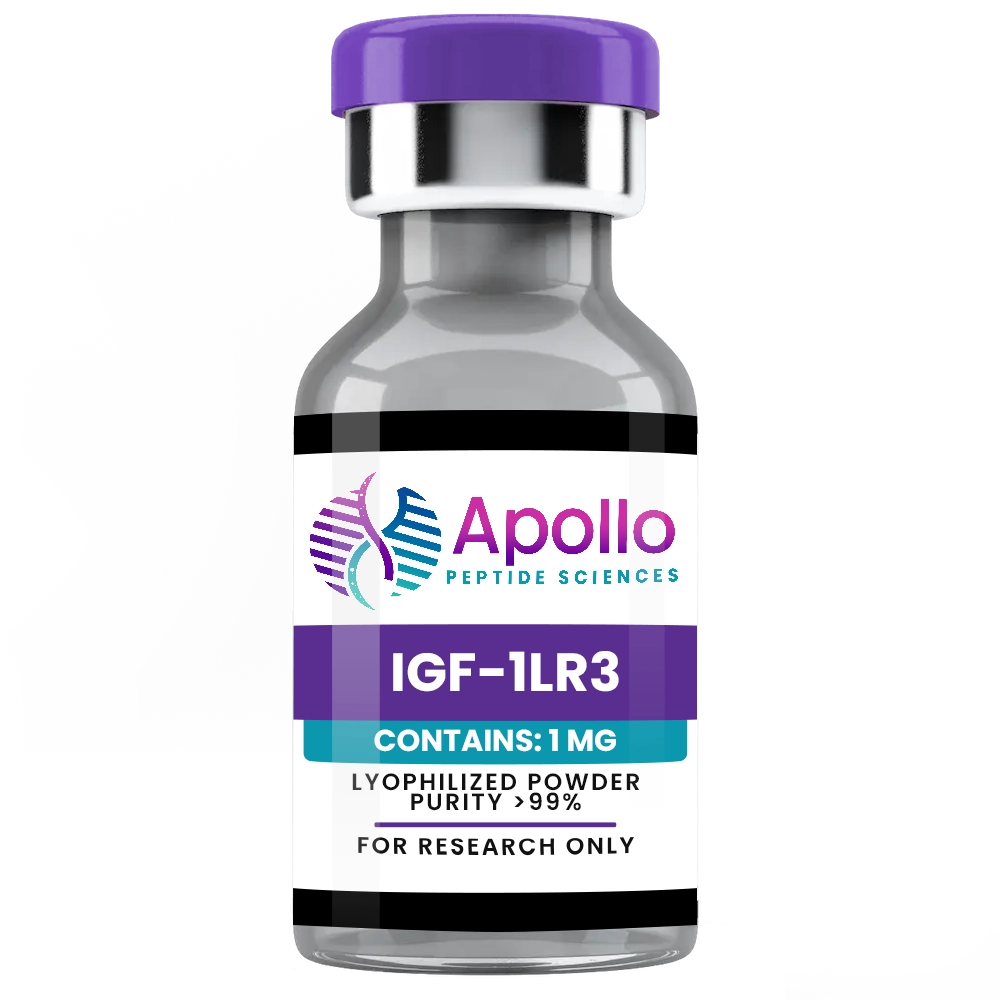
IGF-1 LR3

IGF-1 LR3

performance

View →
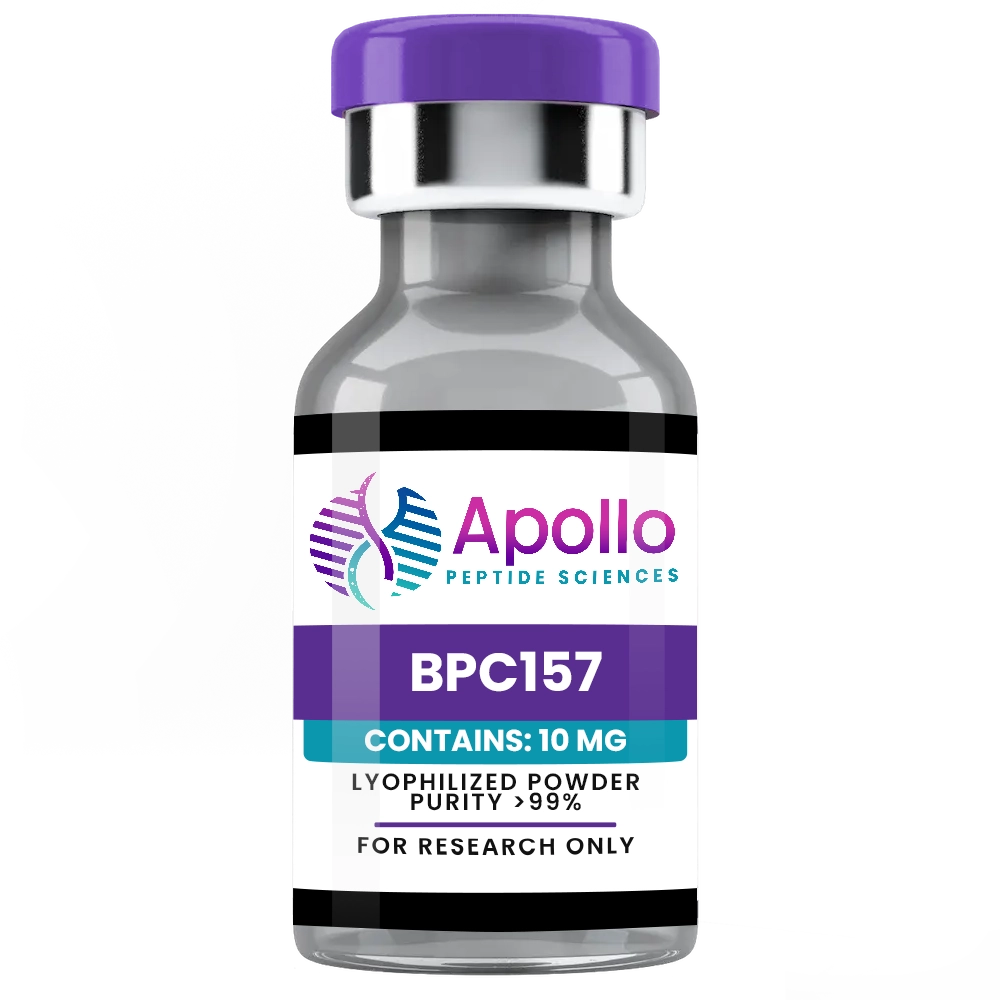
BPC-157 10mg

BPC-157 10mg

healing

View →
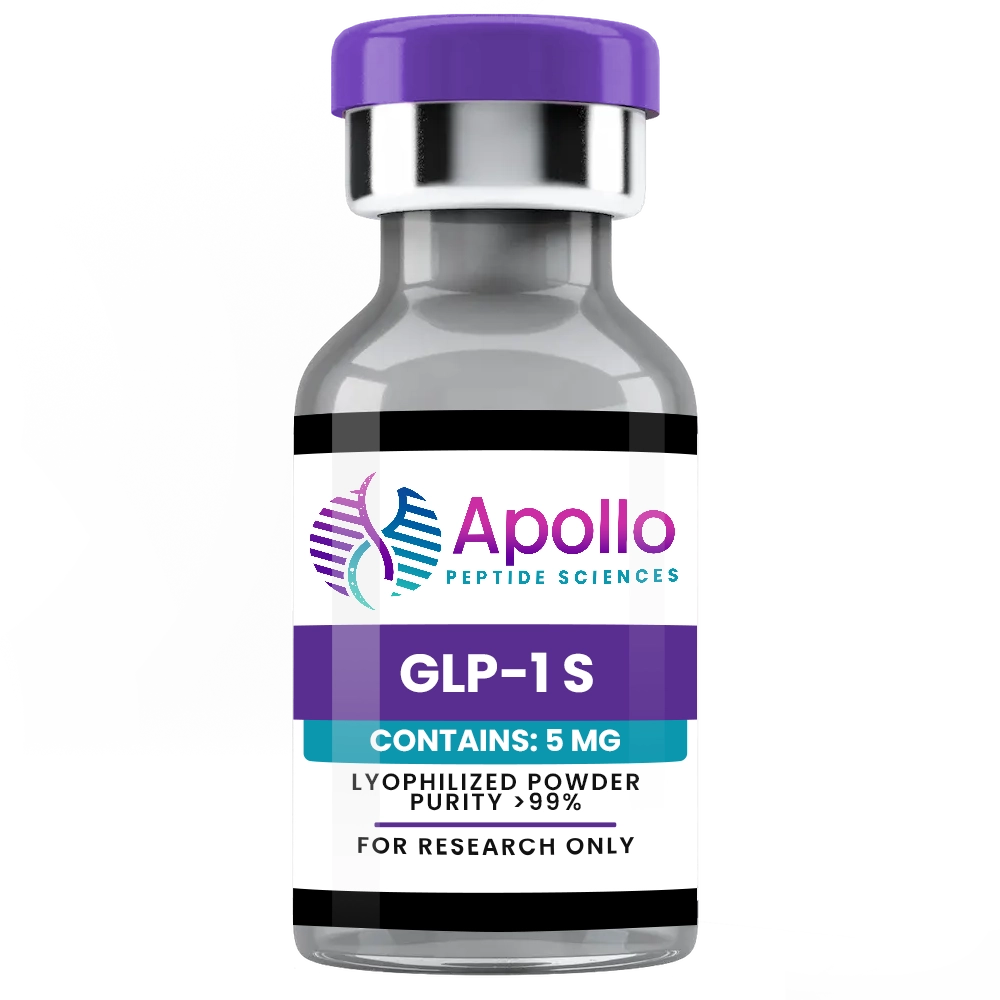
GLP-1 S 5mg

GLP-1 S 5mg

fat loss

View →
CJC-1295 / Ipamorelin

Buy CJC-1295 / Ipamorelin

$50

Buy Now — $50Buy at Apollo

Research-grade · COA verified · Apollo Peptide Sciences
Categoryperformance
Typeinjectable
Quality Rating★★★★★
VendorApollo

Common Questions About CJC-1295 /

What does CJC-1295/Ipamorelin do for muscle and performance?

CJC-1295 is a GHRH analog that signals the pituitary to release a pulse of growth hormone. Ipamorelin is a ghrelin mimetic that amplifies that GH pulse. Together, they produce a strong pulsatile GH release that drives lean mass gain, improved workout recovery, deeper sleep quality, and body fat reduction over 8–12 weeks. Unlike exogenous HGH, they stimulate your own production — no HPTA suppression, no shutdown, and the pulsatile pattern is more physiologically appropriate.

What is the CJC-1295/Ipamorelin dosage?

Standard protocol: 100–200mcg each (CJC-1295 and Ipamorelin) injected subcutaneously 30–60 minutes before bed on an empty stomach. The pre-bed timing aligns with the natural nocturnal GH pulse for maximum amplification. Run 5 days on/2 days off to maintain pituitary sensitivity. Run 12-week cycles with 4-week breaks. Full body composition effects require the complete 12-week cycle — evaluate at week 8 minimum.

How long does CJC-1295/Ipamorelin take to produce results?

Initial effects — improved sleep quality, faster workout recovery, morning pump — are typically noticed within 2–3 weeks. Visible body composition changes (lean mass increase, fat reduction) become apparent at 6–8 weeks. Maximum results require the full 12-week cycle. The mechanism works through GH axis stimulation which is cumulative — consistent daily timing (pre-bed, fasted state) and the full protocol duration are required for optimal results.

CJC-1295 / Ipamorelin

$50

Buy Now