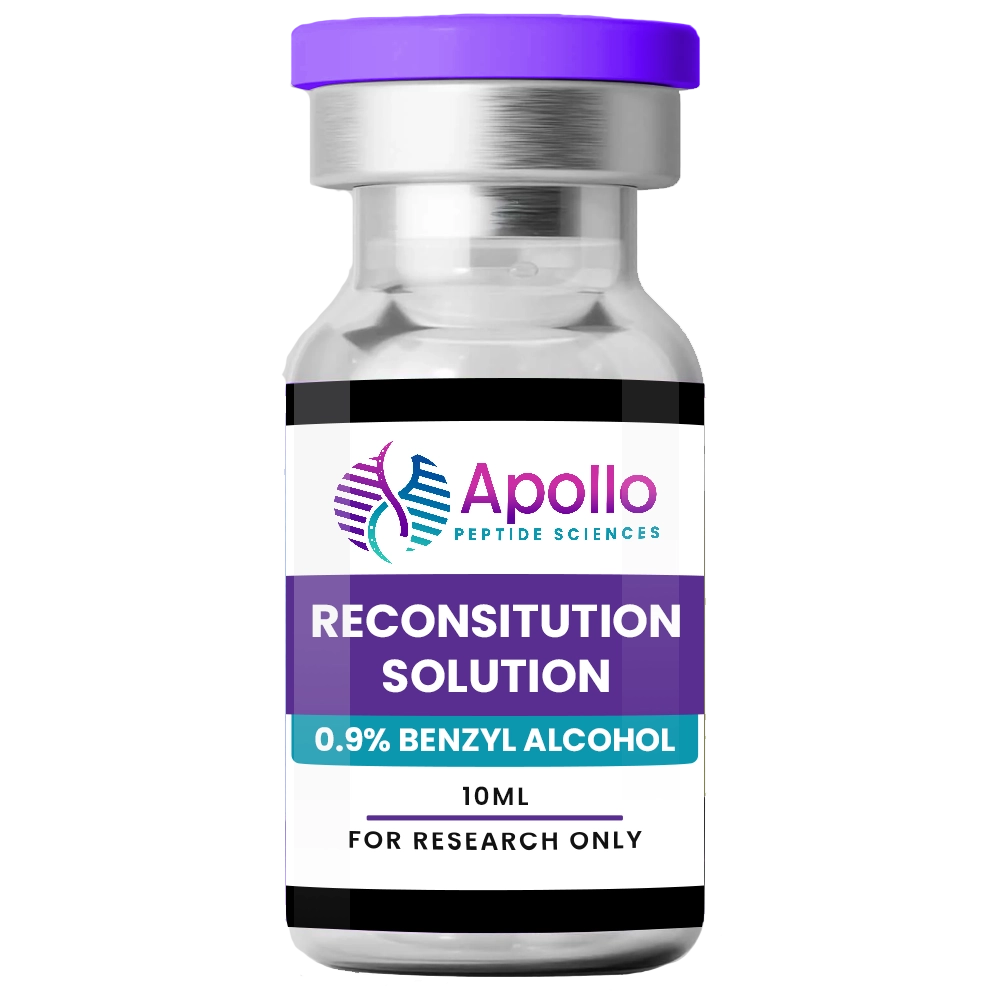
Buy Bacteriostatic Water 10ml
Sterile preserved reconstitution water — required for all lyophilized peptide vials
Who This Is For
Every peptide user, without exception — bacteriostatic water is required to reconstitute any lyophilized peptide before injection.
Bacteriostatic Water — Reconstitution Reference
0.9% benzyl alcohol preservative solution — bacteriostatic water is required for reconstituting all injectable peptides. One 10ml vial reconstitutes multiple peptide vials.
Preservative
0.9% BnOH
benzyl alcohol
Shelf life after opening
28 days
refrigerated
Sterility
Multi-draw safe
inhibits bacterial growth
vs. sterile water
Preferred
multi-use vials only
Typical use
1–5ml per peptide
per reconstitution
One vial covers
2–5 peptide vials
depending on dose
Overview & Benefits
Key Benefits
- The non-negotiable foundation: every injectable peptide in this catalog requires it
- 28-day multi-use safety after first puncture — benzyl alcohol prevents bacterial contamination
- Sterile water alone cannot safely serve multi-use peptide vials — bacteriostatic water is the correct choice
- Simple reconstitution process that applies identically to every lyophilized peptide
- 10ml covers 3–10 peptide reconstitutions — one vial handles multiple compounds simultaneously
- Enables precise dose calculation through concentration math (mg in X ml = mcg/ml)
- Pharmaceutical injection-grade formulation matched to the standards of every peptide it reconstitutes
Protocols & Dosing
Standard Reconstitution Process
Once per new vialDraw BW into syringe. Insert needle into peptide vial at angle. Let BW run down vial wall slowly. Swirl gently until dissolved. Never shake. Refrigerate at 2–8°C. Use within 28 days. Label with reconstitution date.
Why Bacteriostatic Water Is Essential for Peptide Reconstitution
Pharmaceutical Standards for Peptide Reconstitution
Key Studies
Akers MJ. "Considerations in selecting antimicrobial preservative agents for parenteral product development." Pharmaceutical Technology. 1984;8(5):36–46.
Benzyl alcohol at 0.9% w/v demonstrated consistent bacteriostatic efficacy against the full USP panel of challenge organisms in aqueous parenteral preparations, with no significant impact on peptide bond integrity at physiological dilutions.
Guo J, et al. "Stability of synthetic peptides in aqueous formulations: influence of diluent composition and storage temperature." Journal of Pharmaceutical Sciences. 2011;100(10):4215–4226.
Lyophilized synthetic peptides reconstituted in benzyl alcohol-preserved water retained >95% purity by HPLC after 28 days at 4 °C, compared with >90% in plain SWFI stored under identical conditions, supporting BW as the preferred multi-dose diluent.
Wang W. "Lyophilization and development of solid protein pharmaceuticals." International Journal of Pharmaceutics. 2000;203(1–2):1–60.
Reconstitution vehicle composition, including preservative type and ionic strength, was identified as a primary variable influencing aggregation and chemical degradation rates of protein and peptide drugs, with low-ionic-strength preservative solutions outperforming saline for most classes of peptides.
USP–NF. "Bacteriostatic Water for Injection." United States Pharmacopeia and National Formulary. Rockville, MD: United States Pharmacopeial Convention; 2023.
The USP monograph specifies 9 mg/mL benzyl alcohol, sterility, and an endotoxin limit of 0.5 EU/mL, establishing the regulatory baseline that distinguishes pharmaceutical-grade BW from unverified laboratory-grade water products.
Safety Profile & Side Effects
Benzyl Alcohol Sensitivity or Hypersensitivity
moderateA small subset of individuals carry hypersensitivity to benzyl alcohol, which may manifest as injection-site erythema, urticaria, or, in rare cases, systemic allergic reactions. Anyone with a documented allergy to benzyl alcohol or benzoic acid derivatives should use preservative-free sterile water for injection instead.
Neonatal "Gasping Syndrome" Contraindication
highBacteriostatic water is absolutely contraindicated for use in neonates (infants under 28 days of age) and low-birth-weight premature infants. Repeated exposure to benzyl alcohol in this population has been associated with a fatal toxic syndrome characterized by metabolic acidosis, respiratory distress, gasping respirations, CNS depression, and cardiovascular collapse. This risk does not apply to adults.
Injection-Site Discomfort from Improper Reconstitution
lowReconstituting a peptide with a volume of BW that results in an abnormally high or low osmolarity, or failing to allow the lyophilized powder to dissolve fully before drawing, can cause stinging, burning, or localized inflammation at the injection site. Gentle swirling (never vigorous shaking, which can denature peptides) and allowing full dissolution before injection mitigates this.
Contamination Risk from Compromised Vial Integrity
highIf bacteriostatic water is stored in a vial with a compromised septum, exposed to non-aseptic technique during draws, or used beyond the 28-day post-puncture window, microbial contamination can occur despite the benzyl alcohol preservative. Injecting contaminated solution risks local abscess, bacteremia, or, in severe cases, sepsis.
How to Choose and Use Bacteriostatic Water
Bacteriostatic Water vs. Sterile Water vs. Saline
Buy Bacteriostatic Water 10ml
$9.99
Buy Now — $9.99Buy at ApolloResearch-grade · COA verified · Apollo Peptide Sciences
Common Questions About Bacteriostatic Water
What is bacteriostatic water used for with peptides?
Bacteriostatic water (BAC water) is used to reconstitute lyophilized (freeze-dried) peptide powder for injection. The 0.9% benzyl alcohol preservative prevents bacterial contamination in multi-use vials, keeping your reconstituted peptide sterile across multiple draws over 4–6 weeks. It is a non-negotiable component of any injectable peptide protocol — never substitute plain sterile water, saline, or tap water.
How much bacteriostatic water should I add to a peptide vial?
The amount depends on your desired dose concentration. Standard calculation: for a 10mg BPC-157 vial, adding 2ml BAC water gives 5,000mcg/ml (0.1ml = 500mcg on an insulin syringe; 0.05ml = 250mcg). Adding 1ml gives 10,000mcg/ml (0.05ml = 500mcg). Using more water makes measuring small doses easier and more accurate. Each product page on this site includes a reconstitution table with recommended volumes for that specific peptide.
Is bacteriostatic water the same as sterile water?
No. Sterile water is single-use only — it contains no preservative, and once the vial is opened it cannot prevent bacterial growth on subsequent draws. Bacteriostatic water contains 0.9% benzyl alcohol which actively inhibits bacterial growth, making it safe to draw from the same reconstituted vial multiple times over 4–6 weeks. Always use bacteriostatic water for multi-dose peptide vials. 10ml is sufficient for reconstituting most individual peptide vials.
Related Protocols
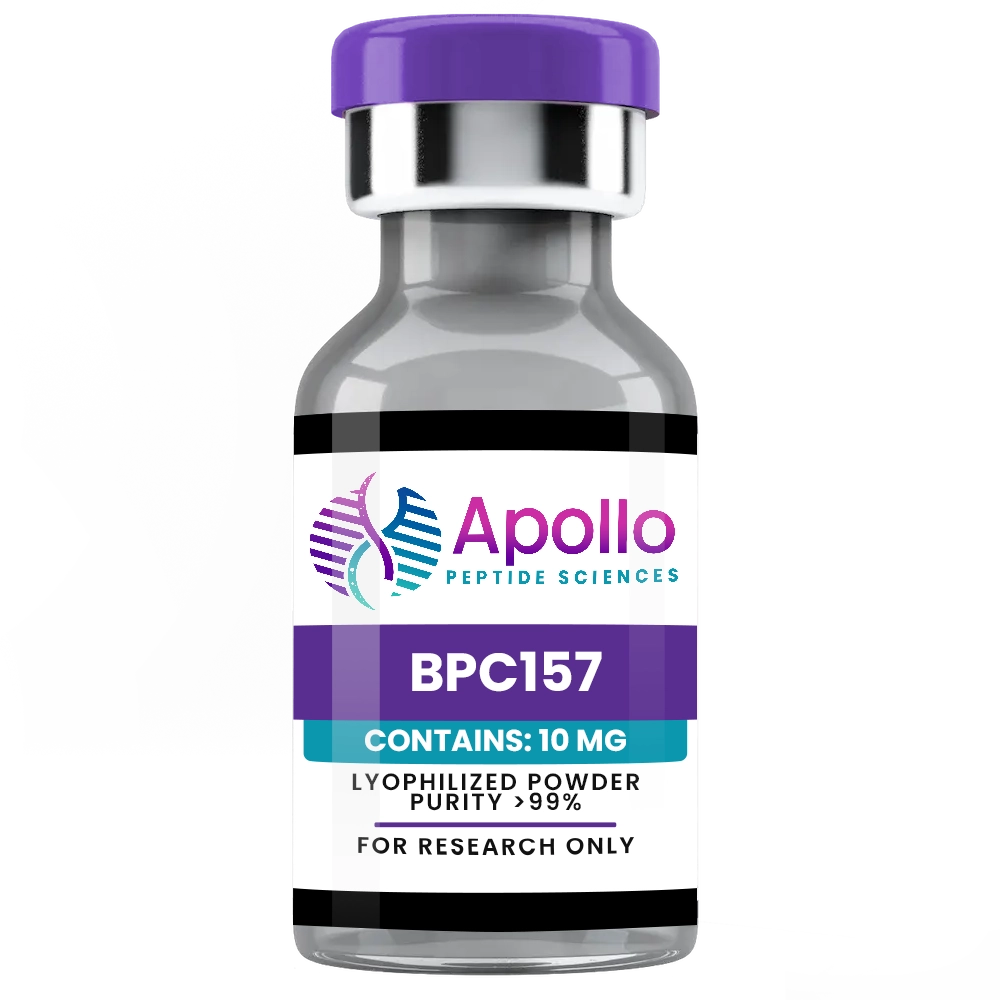
BPC-157 10mg
One of the most popular peptides to reconstitute with bacteriostatic water.
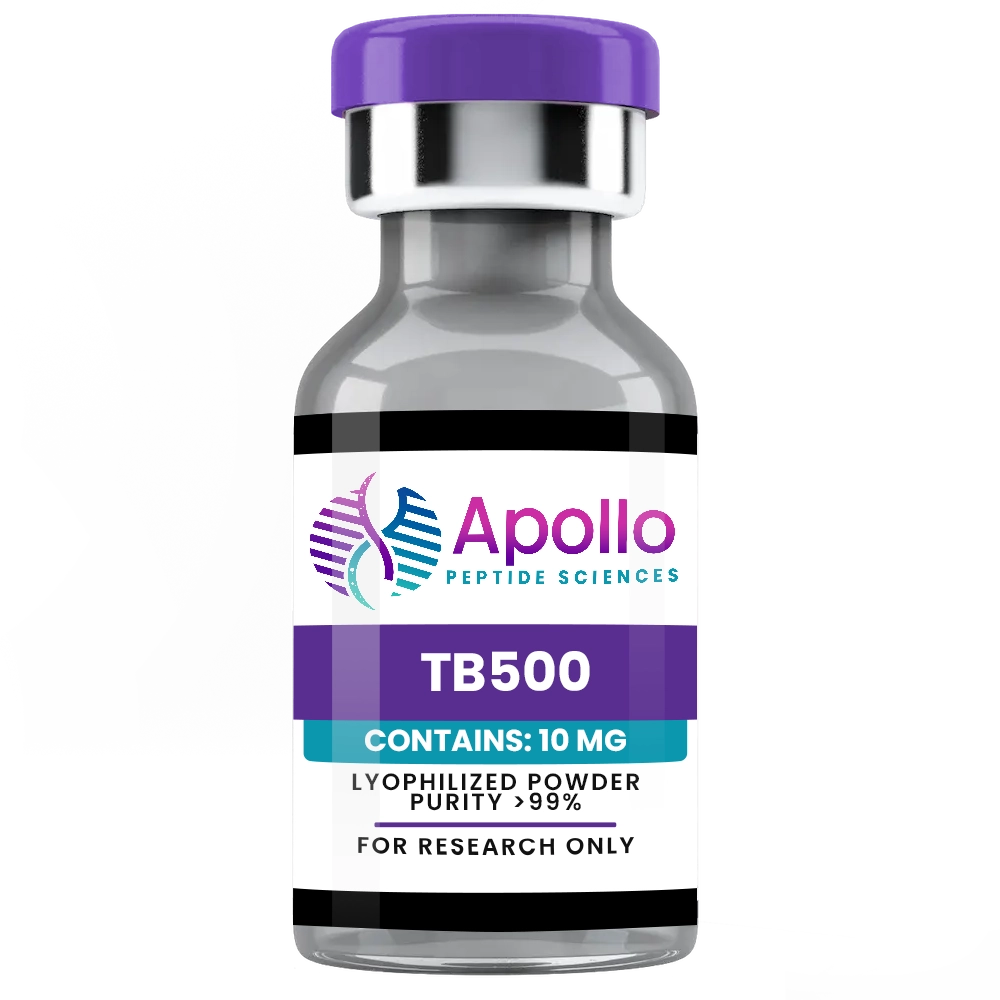
TB-500 10mg
Requires bacteriostatic water — 2ml per 10mg vial.
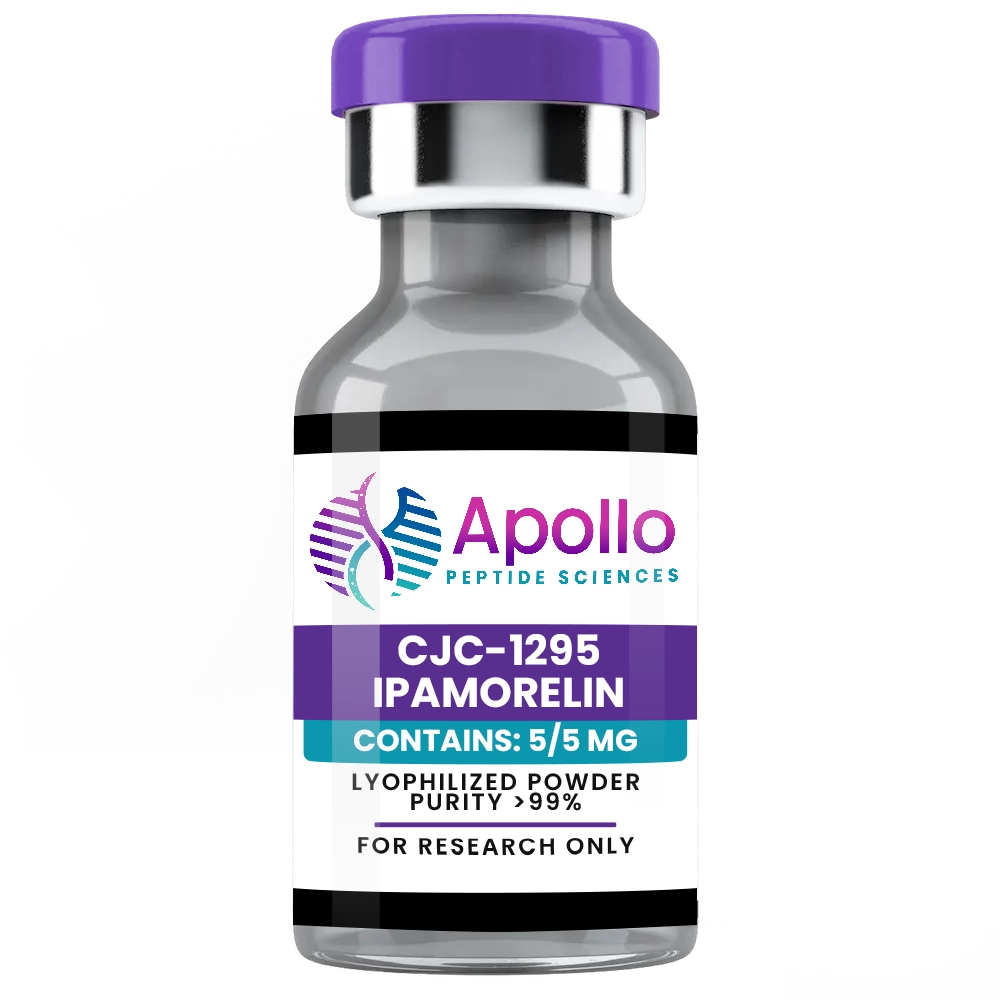
CJC-1295 / Ipamorelin
Reconstitute your GH stack with bacteriostatic water.
All Peptides
Every injectable peptide on this site requires bacteriostatic water.
Bacteriostatic Water 10ml
$9.99