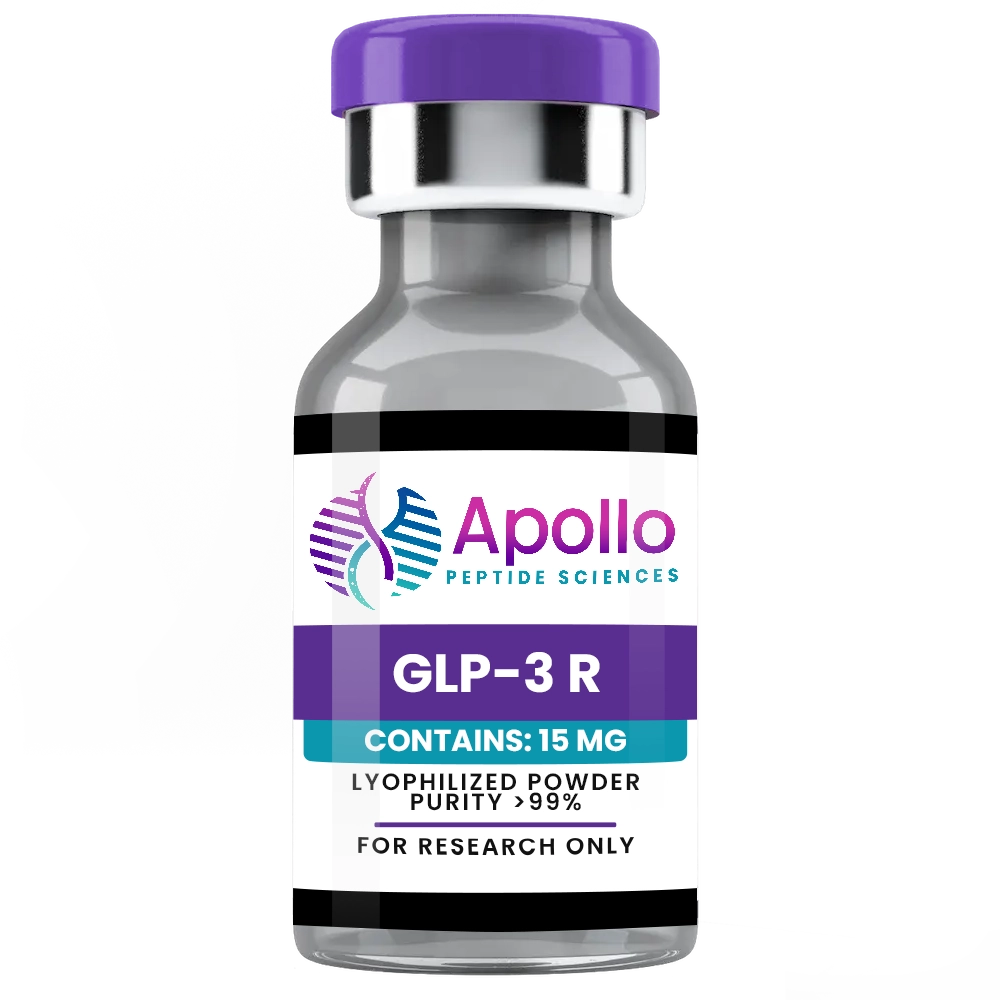
Buy GLP-3 R 15mg
Extended supply triple agonist — for sustained retatrutide protocols at therapeutic doses
Who This Is For
Users who have completed retatrutide titration, found their maintenance dose in the 4–8mg/week range, and want a practical ongoing supply without over-committing.
Retatrutide 15mg — Maintenance Supply
Sufficient supply for the retatrutide titration phase plus early maintenance at 4–6mg/week — the dose range showing optimal tolerance and effect.
Supply at 4mg/wk
3.75 weeks
optimal maintenance zone
Supply at 1mg/wk
15 weeks
full slow titration
Glucagon action
Thermogenic
raises basal metabolic rate
Liver fat
Significantly reduced
glucagon + GLP-1 effect
Appetite + expenditure
Dual attack
vs. GLP-1 alone
Phase 2 completion
2023
Eli Lilly pipeline
Overview & Benefits
Key Benefits
- The right size for the 4–8mg/week maintenance range where most users settle
- Sustained triple-agonist signaling continues without plateau through extended protocols
- Glucagon-driven thermogenesis doesn't habituate — ongoing fat burn beyond appetite suppression
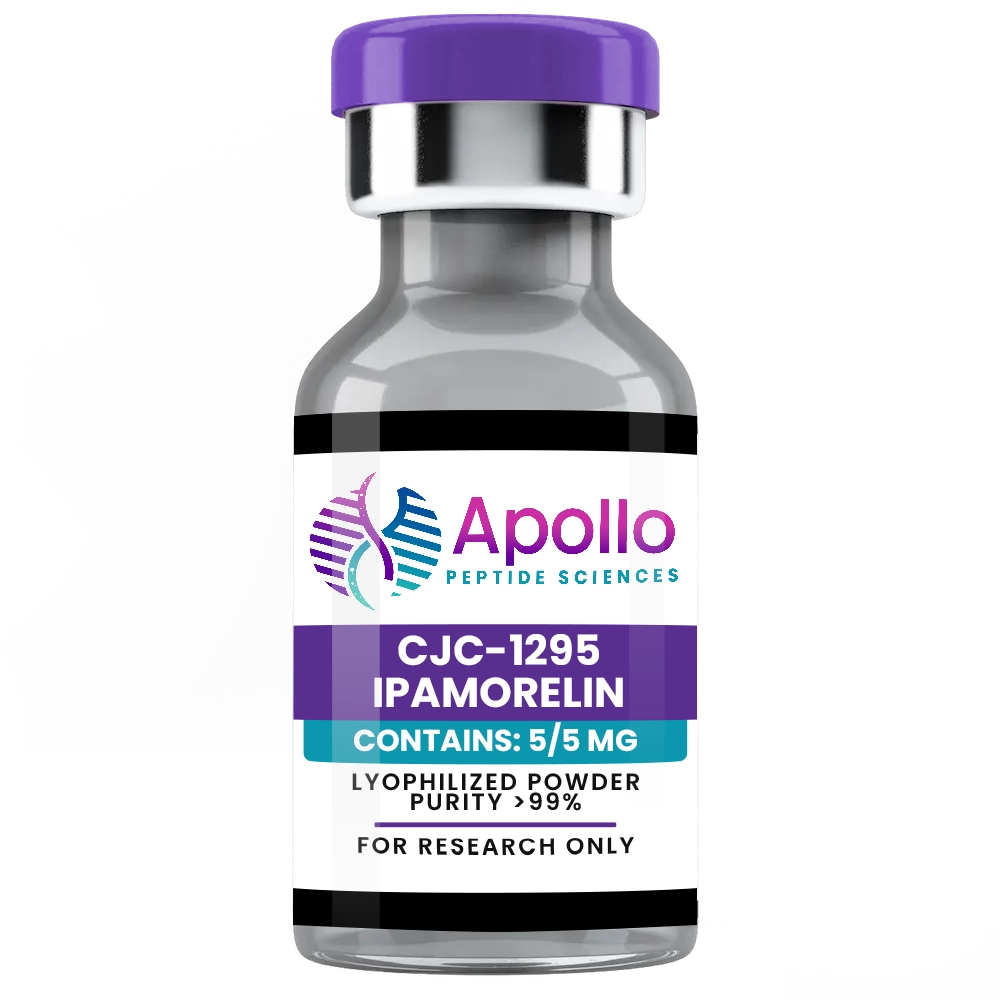
- Pairs with CJC-1295/Ipamorelin for muscle preservation against glucagon-driven catabolism
- Practical supply size for users who are confirmed on their dose but not ready for full 30mg commitment
- Continued weight loss at maintenance doses seen through 48 weeks in Phase 2 data
- The sweet spot vial: post-titration, pre-bulk-buy
Protocols & Dosing
Maintenance Protocol
Once weeklyEnsure minimum 1.8g protein/kg lean mass daily. Pair with CJC-1295/Ipamorelin for muscle preservation. Monitor weekly weight and adjust dose only if loss stalls for 3+ weeks.
How Retatrutide Works: Triple GLP-1, GIP, and Glucagon Receptor Agonism
Clinical Evidence: Retatrutide Phase-2 Data and Mechanistic Studies
Key Studies
Jastreboff AM et al. Retatrutide Phase-2 Trial. N Engl J Med. 2023;389(6):514–526.
24.2% mean weight loss at 48 weeks with retatrutide 12 mg—the highest reported for any pharmacological weight-management agent.
Coskun T et al. Mol Metab. 2022;57:101461.
Triple GLP-1/GIP/glucagon agonism produced synergistic reductions in body weight, hepatic fat, and plasma lipids in preclinical models.
Brandt SJ et al. Diabetes Obes Metab. 2018;20(9):2188–2200.
Glucagon receptor agonism enhanced hepatic fat oxidation and BAT thermogenesis in diet-induced obesity mouse models, supporting the third-agonist component.
Ambery P et al. Lancet. 2018;391(10140):2607–2618.
Dual GLP-1/glucagon agonism produced weight loss and hepatic fat reduction in humans, validating the glucagon mechanism in the triple-agonist context.
Holst JJ, Rosenkilde MM. J Clin Endocrinol Metab. 2020;105(8):e2956–e2964.
GLP-1R, GIP-R, and GCGR activation engage non-redundant metabolic pathways, confirming additive rather than merely overlapping mechanisms.
Safety Profile & Side Effects
Nausea and Vomiting
moderateApproximately 45% and 25% incidence respectively in the phase-2 trial, somewhat higher than tirzepatide. The glucagon component may amplify gastric motility changes beyond the GLP-1 effect alone.
Heart Rate Elevation
moderateGCGR agonism has positive chronotropic effects. Phase-2 subjects showed 3–5 bpm mean heart rate increases; this effect warrants monitoring in subjects with cardiac history.
Diarrhoea
moderatePresent in approximately 20–25% of subjects. Managed with dietary modification during escalation; generally self-limiting within weeks of dose stabilisation.
Hypoglycaemia Risk
moderateIn non-diabetic subjects, hypoglycaemia risk is low due to glucose-dependent mechanisms. In subjects with impaired counterregulation or those co-administering insulin, the risk is meaningfully elevated.
Appetite Suppression (extreme)
moderateTriple-pathway appetite suppression is more potent than dual agonists. Some subjects in the 15 mg range may need caloric monitoring to ensure nutritional adequacy.
Pancreatitis (rare)
highClass-level precaution shared with all incretin-based agents. Incidence below 0.5%; persistent severe abdominal pain warrants evaluation.
Buyers Guide: Retatrutide 15 mg — Bridging Starter and Mid-Protocol Phases
Retatrutide vs. Alternatives: Navigating the Triple-Agonist Evidence Landscape
Buy GLP-3 R 15mg
$189.99
Buy Now — $189.99Buy at ApolloResearch-grade · COA verified · Apollo Peptide Sciences
Common Questions About GLP-3 R
How is retatrutide 15mg used?
The 15mg vial supports the retatrutide titration phase plus early maintenance at 4–6mg/week — the dose range showing optimal tolerability and clinical effect in Phase 2 data. At 4mg/week it provides approximately 3.75 weeks; at 2mg/week, 7.5 weeks. It is well-suited for users who have completed a 10mg starter vial and are now established at their dose.
What are retatrutide's side effects?
Retatrutide's glucagon receptor activation adds thermogenic effects but also increases GI side effect intensity compared to tirzepatide — primarily nausea, vomiting, and diarrhea during titration. These are dose-dependent and manageable with proper titration (slow, 4-week escalation increments). Metabolic effects of glucagon (increased glucose output) require attention in users with diabetes or glucose regulation issues. Consult a physician before use if you have any metabolic condition.
Can I stack retatrutide with other peptides?
Yes. The most important stack for retatrutide users is CJC-1295/Ipamorelin to preserve lean mass during aggressive fat loss — glucagon receptor activation increases catabolism risk at therapeutic doses. Running a GH secretagogue alongside retatrutide ensures body composition stays favorable (fat loss without significant muscle loss). Do not combine with other GLP-1 class peptides simultaneously.
Related Protocols
Fat Loss Peptide Guide
The clinical data behind sustained triple-agonist fat loss.
Retatrutide 10mg
Start here if you're new to retatrutide — 10-week titration supply.
Retatrutide 30mg
Ready for a longer run? The 30mg covers 7.5 weeks at 4mg/week.
CJC-1295 / Ipamorelin
Anabolic counterbalance for glucagon-driven thermogenesis.
GLP-3 R 15mg
$189.99