FOXO4-DRI 10mg
anti aging
Quality Rating

Buy FOXO4-DRI 10mg

Senolytic peptide — selectively clears senescent cells to reverse aging at the cellular level

Selective senescent cell clearanceFOXO4-p53 disruptionCellular rejuvenation

Who This Is For

Advanced longevity researchers seeking senolytic clearance of accumulated senescent cells.

Overview & Benefits

Senescent cells — cells that have stopped dividing but refuse to die — accumulate with age and secrete pro-inflammatory SASP factors that drive tissue dysfunction, chronic inflammation, and age-related disease. FOXO4-DRI disrupts the FOXO4-p53 interaction that senescent cells rely on for survival, triggering selective apoptosis in senescent cells while leaving healthy cells unaffected. Mouse studies showed remarkable rejuvenation: improved fur density, kidney function restoration, and dramatically increased activity and fitness in old mice after FOXO4-DRI treatment. It represents the most targeted senolytic peptide in research — more selective than the quercetin/dasatinib combination used in human senolytic trials.

Key Benefits

  • Selectively clears senescent cells without affecting healthy tissue
  • Disrupts FOXO4-p53 survival signal unique to senescent cells
  • Animal studies: restored fur, kidney function, fitness in aged mice
  • More selective than small-molecule senolytics
  • Addresses root-cause cellular aging mechanism

Protocols & Dosing

Pulsed Senolytic Protocol

3 consecutive days per month
5–25mg/kg subcutaneous or IP

Pulsed dosing mirrors senolytic clinical trial designs. Not for continuous daily use.

FOXO4-DRI: Engineering Selective Senescent Cell Elimination

FOXO4-DRI is a D-retro-inverso (DRI) peptide — a form in which all amino acids are replaced by their D-stereoisomers and the sequence is reversed — that mimics a critical domain of the FOXO4 transcription factor. This structural modification confers complete resistance to proteolytic degradation while preserving the ability to bind target proteins, granting FOXO4-DRI an exceptionally long half-life in biological fluids compared to native L-peptides. The peptide's functional target is the interaction between FOXO4 and p53, two proteins that form an aberrant survival complex specifically in senescent cells, allowing those cells to evade the apoptosis that would normally clear them from tissues. In normally stressed young cells, p53 activation drives a transcriptional program that leads to either cell cycle arrest (if damage is reversible) or apoptosis (if damage is irreparable). In senescent cells, however, FOXO4 is upregulated and sequesters p53 in the nucleus in a complex that blocks p53's pro-apoptotic activity while preserving its ability to enforce cell cycle arrest. The result is a cell that is permanently growth-arrested, metabolically active, and secreting a damaging cocktail of inflammatory cytokines, proteases, and growth factors — the senescence-associated secretory phenotype (SASP) — but that cannot be cleared by its own apoptotic machinery. FOXO4-DRI disrupts this complex by competitively occupying the FOXO4 binding interface on p53, freeing p53 to engage its canonical apoptotic targets and trigger selective elimination of the senescent cell. The selectivity of FOXO4-DRI for senescent over normal cells is its most pharmacologically remarkable property. Proliferating cells do not express the elevated FOXO4 levels characteristic of senescence, so the p53-FOXO4 complex FOXO4-DRI disrupts is essentially absent. In the original van Deursen laboratory experiments, treatment of normal fibroblasts with FOXO4-DRI at doses effective against senescent cells produced no measurable cytotoxicity, confirming target-dependent rather than nonspecific cell killing. This contrasts favorably with other senolytic approaches such as navitoclax (ABT-263), which inhibits BCL-2 family proteins broadly and causes significant thrombocytopenia by killing platelets — a major limitation for clinical translation. The downstream consequences of senescent cell clearance extend well beyond local tissue effects. Senescent cells accumulate with age in virtually all organ systems — adipose tissue, liver, kidney, vascular endothelium, skeletal muscle, and brain — and their SASP drives systemic chronic inflammation, termed "inflammaging." Transplantation of as few as 500,000 senescent cells into young healthy mice has been shown to cause measurable multi-organ dysfunction and premature death. Conversely, genetic or pharmacological clearance of senescent cells in naturally aged mice produces striking improvements in physical function, cognition, kidney function, cardiac output, and even median lifespan. FOXO4-DRI offers a molecularly precise route to achieve this clearance.

The Van Deursen Group Data and Emerging Evidence

The foundational paper for FOXO4-DRI was published in Cell by Baar et al. from Jan van Deursen's laboratory at Mayo Clinic in 2017. The study demonstrated that FOXO4-DRI selectively killed senescent IMR-90 fibroblasts and human umbilical vein endothelial cells at concentrations (1–10 μM) that left proliferating cells unharmed. In fast-aging INK-ATTAC mice — a genetically accelerated senescence model — FOXO4-DRI treatment three times per week for 10 days produced a marked reduction in p16INK4a-positive senescent cells in liver and kidney, accompanied by restoration of renal function, improved fur density and wound healing, and enhanced exercise tolerance. Survival in xenograft-treated animals was also extended. Doxorubicin-treated mice — a model of chemotherapy-induced accelerated senescence — showed dramatic rescue of physical function with FOXO4-DRI treatment. Animals that had received doxorubicin and were treated with vehicle showed severe fatigue, muscle wasting, and organ dysfunction; FOXO4-DRI-treated counterparts recovered grip strength and treadmill performance to near-baseline levels. This chemotherapy-senescence model is directly relevant to human cancer survivors, who frequently develop accelerated aging phenotypes and chronic health deficits following cytotoxic treatment. The data suggested FOXO4-DRI as a potential adjuvant for oncology recovery. Naturally aged mice (2 years old) showed similar but less dramatic responses: measurable reductions in senescent cell burden, improved liver steatosis, and enhanced physical endurance after FOXO4-DRI treatment. The effect was somewhat smaller than in the fast-aging model, consistent with the expectation that natural aging-related senescence involves a broader and more heterogeneous population of senescent cell types that may not all be equally FOXO4-dependent. Subsequent work has identified distinct senescent cell subtypes with varying levels of FOXO4 expression, which may explain inter-individual and inter-tissue variability in FOXO4-DRI response.

Key Studies

1

Baar MP et al., Cell, 2017

FOXO4-DRI selectively triggered apoptosis in senescent cells while sparing proliferating cells, and restored physical fitness, fur density, and renal function in fast-aging and chemotherapy-treated mice.

2

Van Deursen JM, Nature, 2014

Clearance of p16INK4a-positive senescent cells in BubR1-progeroid mice delayed age-related pathologies in adipose tissue, skeletal muscle, and eye — establishing the proof-of-concept for senolytic therapy.

3

Xu M et al., Nature Medicine, 2018

Transplantation of senescent cells into young mice caused persistent physical dysfunction and early death; pharmacological senolysis with dasatinib+quercetin prevented these effects, validating the SASP-driven mechanism.

4

Amor C et al., Nature, 2020

CAR-T cells targeting senescent cells via uPAR eliminated senescent cell burden and improved metabolic function and liver fibrosis in mouse models, further validating selective senolysis as a therapeutic strategy.

5

Zhu Y et al., Aging Cell, 2015

Navitoclax (BCL-2/BCL-XL inhibitor) cleared senescent cells but caused dose-limiting thrombocytopenia, highlighting the superior selectivity profile of mechanism-targeted approaches like FOXO4-DRI.

Safety Profile & Side Effects

Injection site reactions

low

Subcutaneous administration may cause transient redness and mild pain at the injection site; rotating injection locations minimizes local accumulation.

Transient fatigue post-dosing

moderate

Rapid senescent cell clearance may trigger an acute inflammatory response as cells undergo apoptosis and are phagocytosed; transient flu-like fatigue lasting 1–3 days has been reported.

Wound healing considerations

moderate

Some senescent cells participate in wound healing. Clearance during active wound healing may transiently affect tissue repair; dosing should be timed away from surgical or injury recovery periods.

Theoretical apoptotic off-target effects

moderate

While D-retro-inverso modifications greatly enhance selectivity, any pro-apoptotic intervention warrants caution in individuals with active inflammatory or autoimmune conditions.

Long-term unknown risks

moderate

FOXO4-DRI is an early-generation senolytic with limited long-term human safety data. Potential consequences of repeated large-scale senescent cell elimination over years remain to be characterized.

FOXO4-DRI Buyers Guide: Quality Standards for a Complex D-Peptide

FOXO4-DRI is a relatively long peptide (18 amino acids) composed entirely of D-amino acids in reverse sequence — a synthesis complexity that results in significantly higher production costs and greater quality variability than simpler peptides. The defining quality metric is chiral purity: each residue must be confirmed as the D-stereoisomer, since even a single L-amino acid substitution changes the peptide's proteolytic resistance and potentially its binding specificity. Reputable suppliers will provide mass spectrometry data confirming the molecular weight and HPLC chromatograms with purity ≥95%; accept nothing less than 95% purity for research-grade material. The original Baar et al. study used FOXO4-DRI at 1.5 mg/kg intraperitoneally in mice, typically three times per week for 10 days. Human dose translation using standard allometric scaling from mouse to human (body surface area normalization, factor of ~12) suggests equivalent human doses in the range of 1–5 mg total per injection depending on body weight — substantially lower than the raw milligram-per-kilogram figure suggests because human body surface area to body weight ratio is lower than in mice. Self-reported protocols in the biohacking community have used 1–2 mg subcutaneously per session over similar 10-day cycles, though no systematic human dose-finding studies exist. Storage requires −20 °C for the lyophilized powder, protected from light and moisture. Reconstitute in sterile bacteriostatic water and use within 2–4 weeks when refrigerated. Because FOXO4-DRI is a research compound with no approved human clinical indication, sourcing from suppliers who provide lot-specific third-party testing documentation is essential. Batch-to-batch consistency for D-peptides is a known manufacturing challenge, making established suppliers with quality track records far preferable over anonymous sources.

FOXO4-DRI vs. Other Senolytics: Navitoclax, Dasatinib+Quercetin
The senolytic landscape includes several competing approaches: dasatinib (a BCL tyrosine kinase inhibitor) combined with quercetin (a natural flavonoid), navitoclax (BCL-2/BCL-XL inhibitor), and FOXO4-DRI. Dasatinib+quercetin is the most clinically studied combination, with multiple Phase I/II trials in conditions including IPF, diabetic kidney disease, and Alzheimer's disease. Its safety profile is largely characterized, though dasatinib has known cardiovascular and hepatotoxic risks. Navitoclax is potently senolytic but causes dose-limiting platelet destruction due to BCL-XL dependence of platelets — a serious limitation that has restricted its clinical development outside of oncology. FOXO4-DRI's advantage is mechanistic precision. By targeting the FOXO4-p53 interaction that is specifically upregulated in senescent cells, FOXO4-DRI avoids the broad anti-apoptotic signaling disruption caused by BCL-2 family inhibitors. The D-retro-inverso design also confers extreme protease resistance, giving FOXO4-DRI a substantially longer functional half-life than equivalent L-peptides. The primary disadvantage relative to D+Q is the absence of human clinical trial data — all FOXO4-DRI evidence is preclinical. For researchers seeking the best-characterized senolytic with human evidence, D+Q remains the reference standard; for those prioritizing mechanistic selectivity and willing to work with early-stage compounds, FOXO4-DRI represents the most targeted approach currently available.

Stack With These Peptides

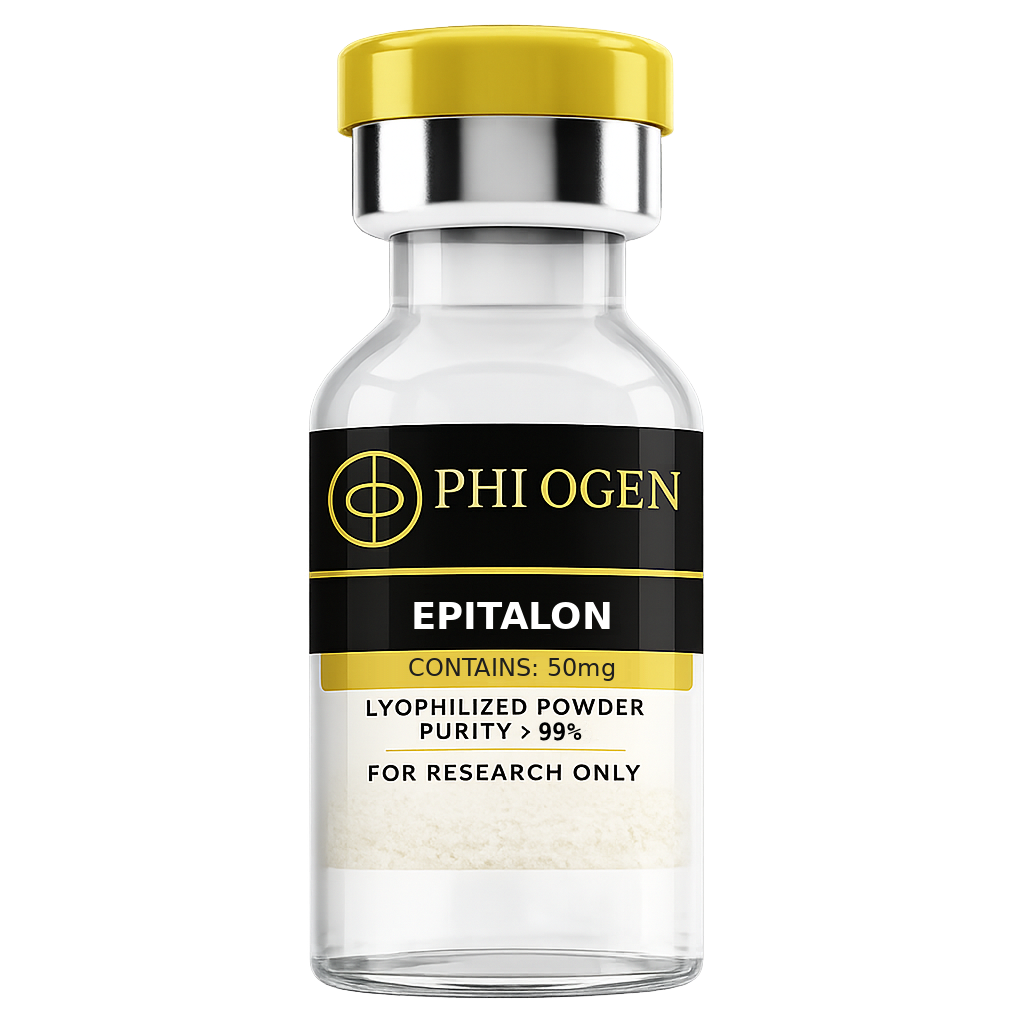
Epithalon 50mg

Epithalon 50mg

anti aging

View →
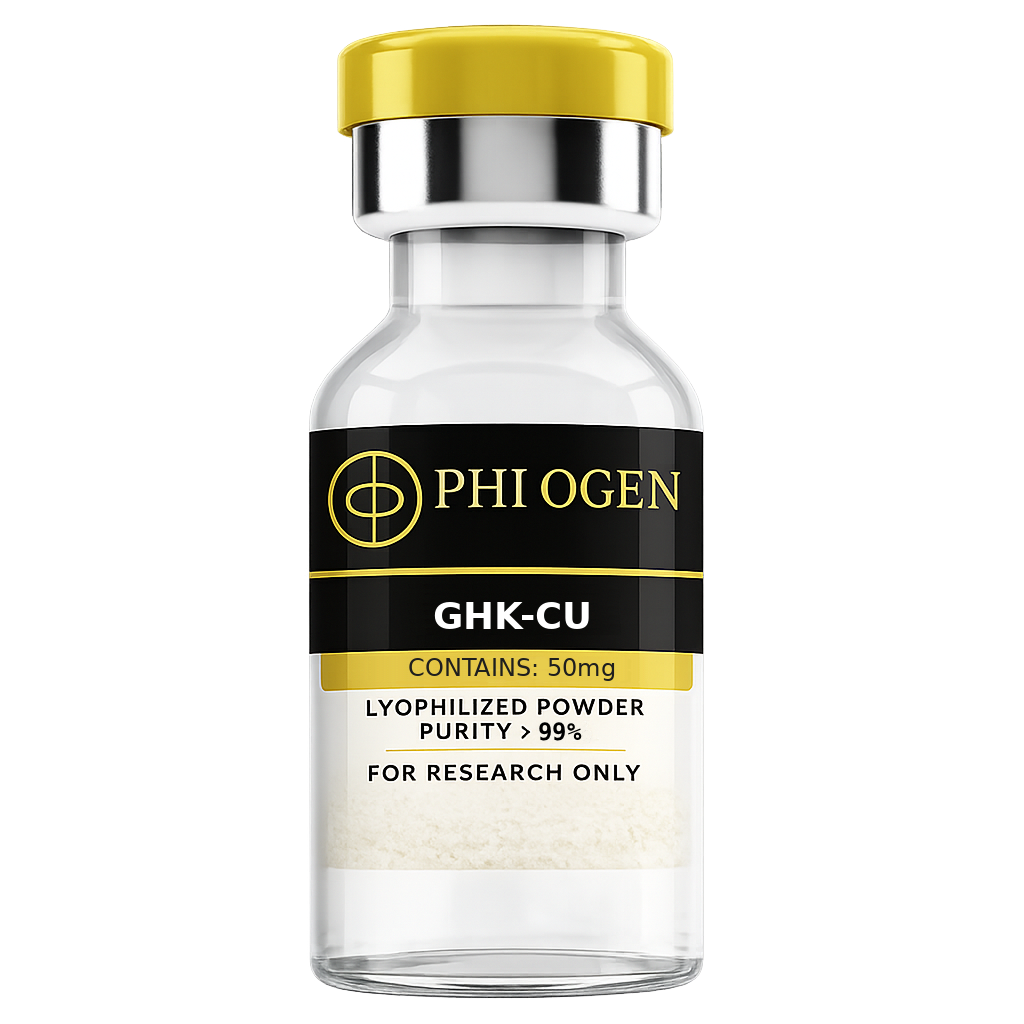
GHK-CU Copper Peptide 50mg

GHK-CU Copper Peptide 50mg

anti aging

View →
FOXO4-DRI 10mg

Buy FOXO4-DRI 10mg

$149.99

Buy Now — $149.99Buy at Phiogen

Research-grade · COA verified · Phiogen

Categoryanti aging
Typeinjectable
Quality Rating★★★★☆
VendorPhiogen

FOXO4-DRI 10mg

$149.99

Buy Now