Peptides vs. SARMs:
What's Actually Different
Both get shelved together in gym conversations. They're not the same class of compound, not even close. If you're choosing between them, the mechanism is the whole story — everything downstream (side effects, liver impact, how long you run them) flows from how they work.
The core difference in one sentence
Peptides signal your body to do more of what it already does. SARMs override one of its primary hormonal systems.
That single distinction is why peptides tend to have far lighter side effect profiles, and why SARMs come bundled with post-cycle therapy, lipid crashes, and the kind of liver values that make endocrinologists nervous.
How peptides actually work
Peptides are short chains of amino acids. Your body makes thousands of them already — insulin, oxytocin, and melatonin are all peptides. Therapeutic peptides are either copies of naturally occurring signals or synthetic analogs designed to hit a specific receptor.
A compound like BPC-157 doesn't build muscle or burn fat directly. It tells fibroblasts at an injury site to lay down more collagen, upregulates growth hormone receptors on the cells already doing repair, and grows new blood vessels into damaged tissue. The body does the work — BPC-157 just removes the bottlenecks.
Growth-hormone-releasing peptides like CJC-1295 / Ipamorelin tell your pituitary to pulse more of its own GH. Your body still regulates the response. You keep your natural feedback loops intact.
How SARMs work
Selective Androgen Receptor Modulators bind the same receptor testosterone binds to. They're "selective" in the sense that they preferentially activate muscle and bone androgen receptors over prostate or sebaceous receptors — at least on paper.
In practice, they're hormone-axis drugs. They suppress endogenous testosterone production (your testes shut down when the body sees plenty of androgen signal already), they tank HDL cholesterol, and the orally active ones (ostarine, ligandrol, RAD-140) routinely elevate liver enzymes. The mechanism is fundamentally closer to a mild anabolic steroid than to a peptide.
Side-by-side
| Peptides | SARMs | |
|---|---|---|
| Mechanism | Signal molecules — tell existing cells to do more of what they already do | Bind androgen receptors directly — mimic testosterone in select tissues |
| Liver impact | Minimal to none for most peptides | Hepatotoxicity common, liver enzymes frequently elevated |
| HPTA suppression | Most peptides don't touch the HPTA; some GH peptides are actually protective | Suppresses natural testosterone production — post-cycle recovery required |
| Cardiovascular | Generally neutral or protective (e.g. BPC-157, TB-500) | Lipid panel damage — HDL drops hard, often within weeks |
| Legal status (US) | Sold for research use; not FDA-approved for human consumption but widely accessible | Banned by WADA, flagged by FDA, still sold as research chemicals |
| Cycle length | Most run 8–12 weeks; some (BPC-157, GHK-Cu) can run indefinitely | 6–10 weeks max, then mandatory PCT |
When to pick which
Pick peptides if…
- • You want long-term use without cycling
- • Healing, recovery, or joint issues are your primary goal
- • You want GH benefits without touching testosterone
- • Skin, hair, or anti-aging applications matter
- • You're over 35 and care about cardiovascular health
Think twice on SARMs if…
- • You're unwilling to run bloodwork every 4–6 weeks
- • You can't commit to a proper PCT protocol
- • You have family history of cardiovascular or liver disease
- • You compete in any tested federation
- • You're under 25 (HPTA still developing)
Not a real dichotomy
Some users run peptides alongside SARMs, or on the off-cycles between. If you're already using SARMs, BPC-157 and TB-500 can help protect connective tissue that grows faster than the tendons can adapt to. But if your goal is just "get leaner / build muscle," peptide stacks can get you most of the way there with a much lighter side-effect bill.
Where to start with peptides
If you're coming from SARMs or just considering your first compound, the three below cover the two biggest reasons people reach for androgens: recovery and body composition. See also the peptide beginner guide and muscle-building peptides.
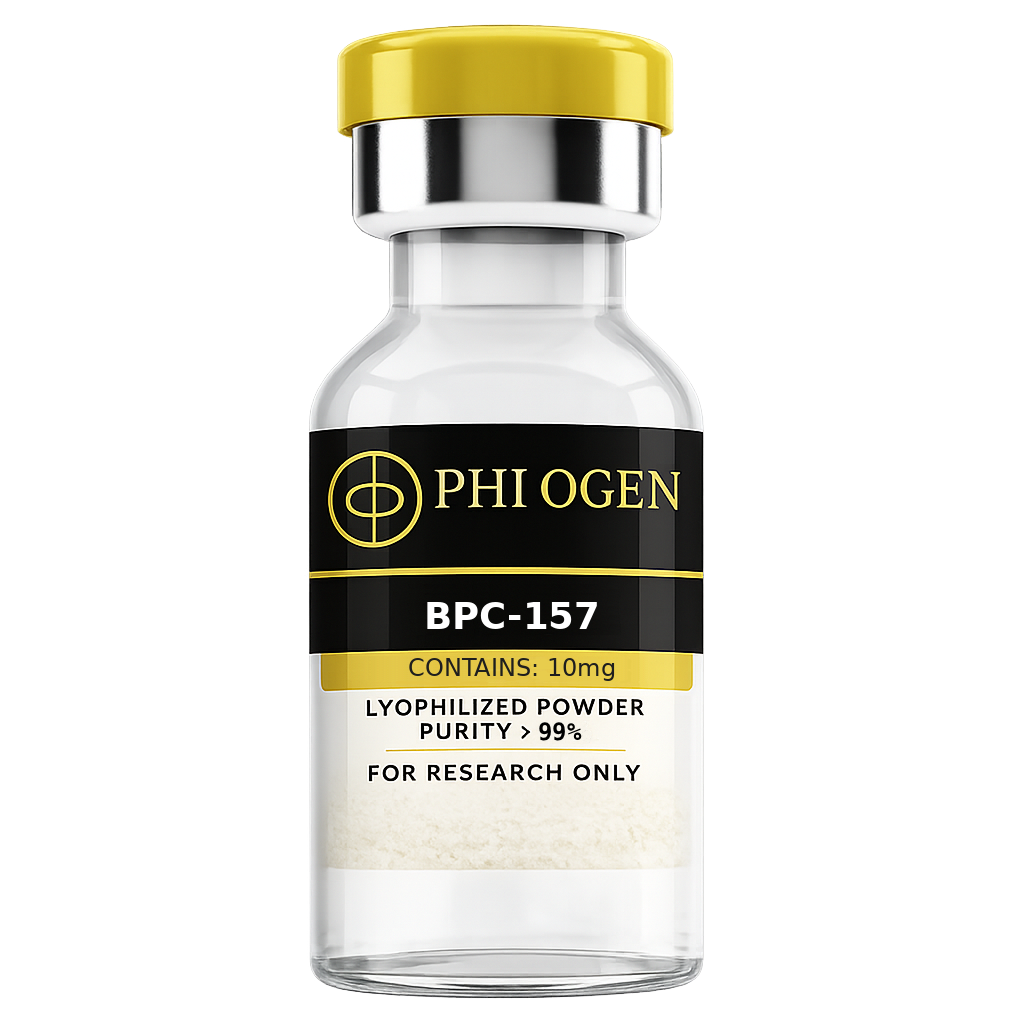
BPC-157 10mg
The body's own repair peptide — accelerates healing in tendon, muscle, gut, and nerve tissue
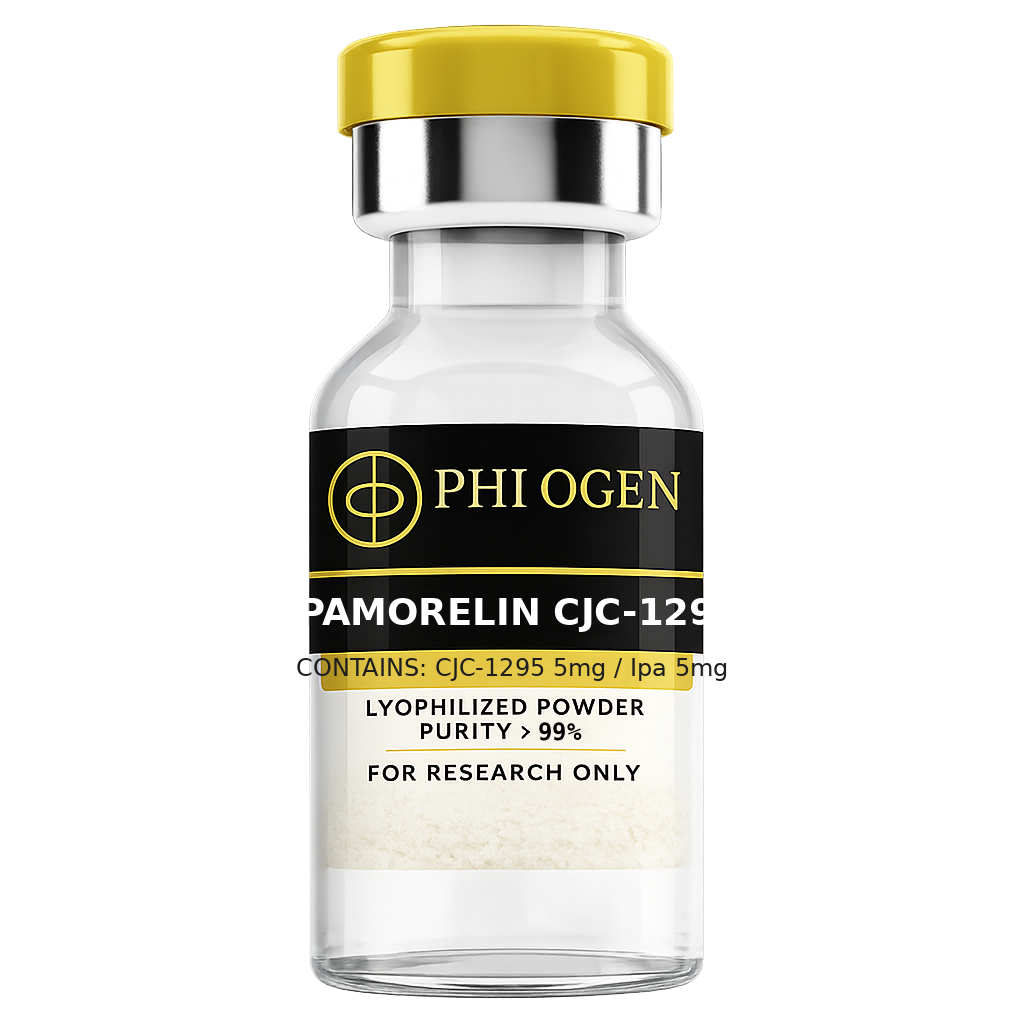
CJC-1295 / Ipamorelin
The gold standard GH stack — pulsatile growth hormone release without cortisol or prolactin elevation
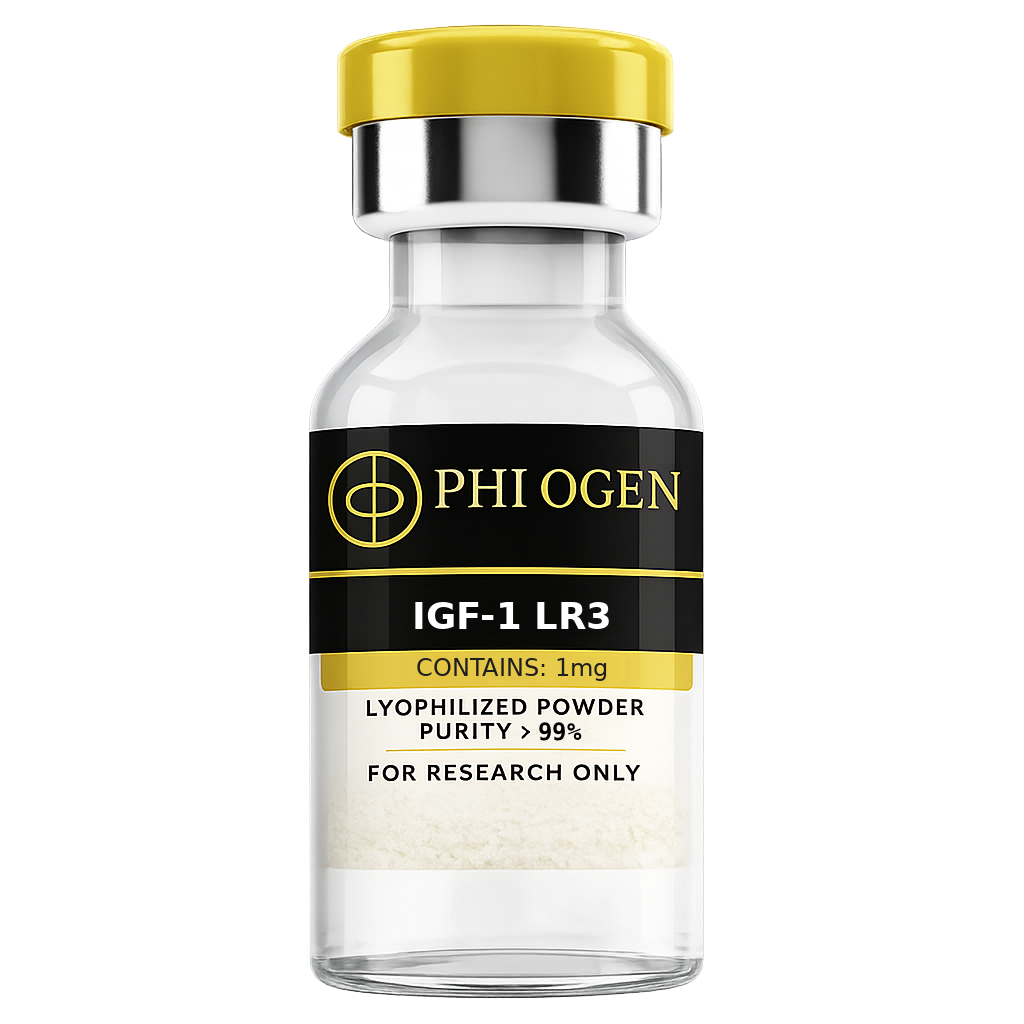
IGF-1 LR3
Long R3 IGF-1 — promotes muscle hyperplasia and satellite cell activation for permanent muscle fiber growth