Are peptides safe?
A grounded look at the risks.
"Is it safe" is the wrong question — the right one is "what kinds of mistakes does this class of compound punish, and which ones does it forgive?" Peptides are relatively forgiving by pharmaceutical standards, but the failure modes are specific and worth understanding before your first vial.
The short answer
Most popular peptides have therapeutic windows wide enough that you can make honest dosing mistakes and still be fine. Source quality, sterile handling, and dosing math are where almost all real-world safety problems come from — not the peptides themselves.
Risks that actually matter
Source quality
HighThe single biggest safety variable is not which peptide you choose — it's who made it. Under-dosed vials, bacterial contamination, and incorrect peptide sequences are all documented in independent testing of random research chemical vendors. Always choose a lab with third-party purity testing and a clear chain of custody.
Reconstitution & storage errors
ModerateLyophilized peptide is stable for years. Reconstituted peptide is stable for weeks. Injecting an old vial, one left on the counter, or one reconstituted with tap water instead of bacteriostatic water introduces contamination risk that's entirely on the user.
Dosing math
ModerateMost peptide dosing is in micrograms. A decimal-place error is easy and rarely catastrophic, but it does mean you're often running the compound at 10× the intended dose for weeks before you notice. Every user should learn the reconstitution math for their specific vial size.
Stacking without purpose
LowRunning five peptides at once because forum posts recommended each one individually is how people end up with mystery side effects and no clue which compound is responsible. Add one at a time and give each 2–3 weeks to reveal its effects.
The legal picture
In the US, peptides occupy a legal middle ground. Most are sold for "research use only" — legal to buy, legal to possess, not legal to market as human therapeutics. A handful (semaglutide, tirzepatide, tesamorelin) have FDA-approved forms, though the research-chem versions of the same molecules are not the approved product.
Compounding pharmacies filled much of the gap during GLP-1 shortages; the FDA has since begun restricting that pathway. The net result is that quality-controlled peptides remain accessible, but regulatory posture on individual compounds shifts. What was fine to buy last year may be harder to source this year.
Overblown concerns
"Peptides will shut down your natural hormones"
Most therapeutic peptides don't touch the HPTA. GHRH and GHRP peptides still preserve the pulsatile nature of your own GH release. Unlike exogenous GH, they don't create hard dependency. The exceptions (kisspeptin, gonadorelin) are intentionally hormonal and not what people usually mean.
"Peptides cause cancer"
This mostly comes from concern about GH/IGF-1 driving proliferation of existing tumors. It's a real concern if you already have cancer, but no strong evidence supports peptides causing cancer in healthy users. Standard guidance: don't run growth-promoting peptides if you have an active malignancy.
"Peptides aren't studied"
BPC-157 has 100+ peer-reviewed studies. Semaglutide is FDA-approved. GHK-Cu has 40 years of research behind it. The "research chemical" label often implies unknowability — but a lot of these compounds are better characterized than many supplements sold on Amazon.
How to lower your risk floor
Buy from vendors that publish third-party mass-spectrometry purity data.
Store lyophilized vials in a cool, dry place until use. Refrigerate after reconstitution.
Use bacteriostatic water for reconstitution, never tap or distilled.
Run bloodwork baseline and at 8–12 weeks for any peptide that affects GH, IGF-1, or insulin signaling.
Add one compound at a time. Stack only after you know how each behaves in your body.
Start at the low end of the dosing range for 1–2 weeks before titrating up.
Groups that should talk to a doctor first
Anyone with active cancer, pregnant or nursing, under 21, with uncontrolled diabetes (for GLP-1s specifically), on immune therapy, or with kidney or liver disease. The peptide doesn't know you have these conditions — you have to.
The safest places to start
If you want to minimize risk while still seeing real effects, the peptides below have the widest therapeutic windows and the cleanest side-effect profiles. See also the full peptide beginner guide for reconstitution math and injection technique.
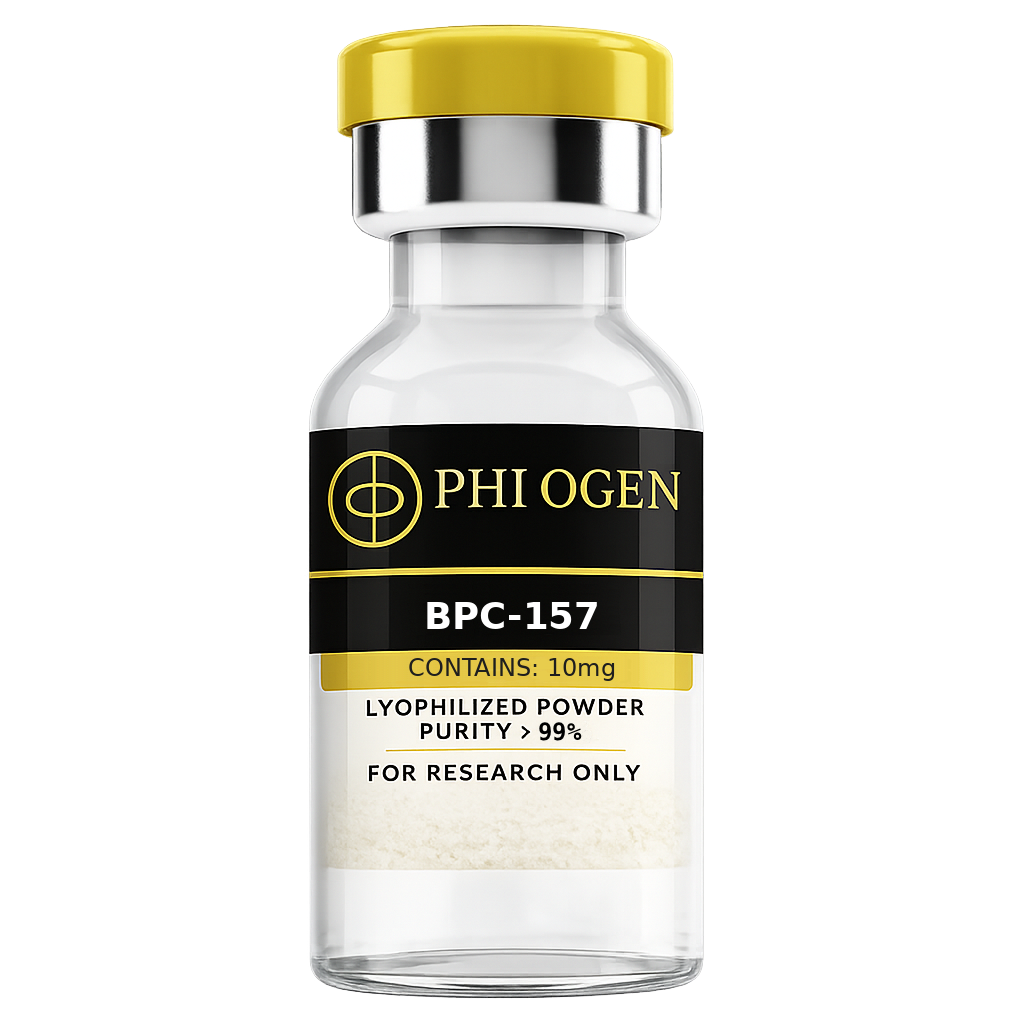
BPC-157 10mg
The body's own repair peptide — accelerates healing in tendon, muscle, gut, and nerve tissue
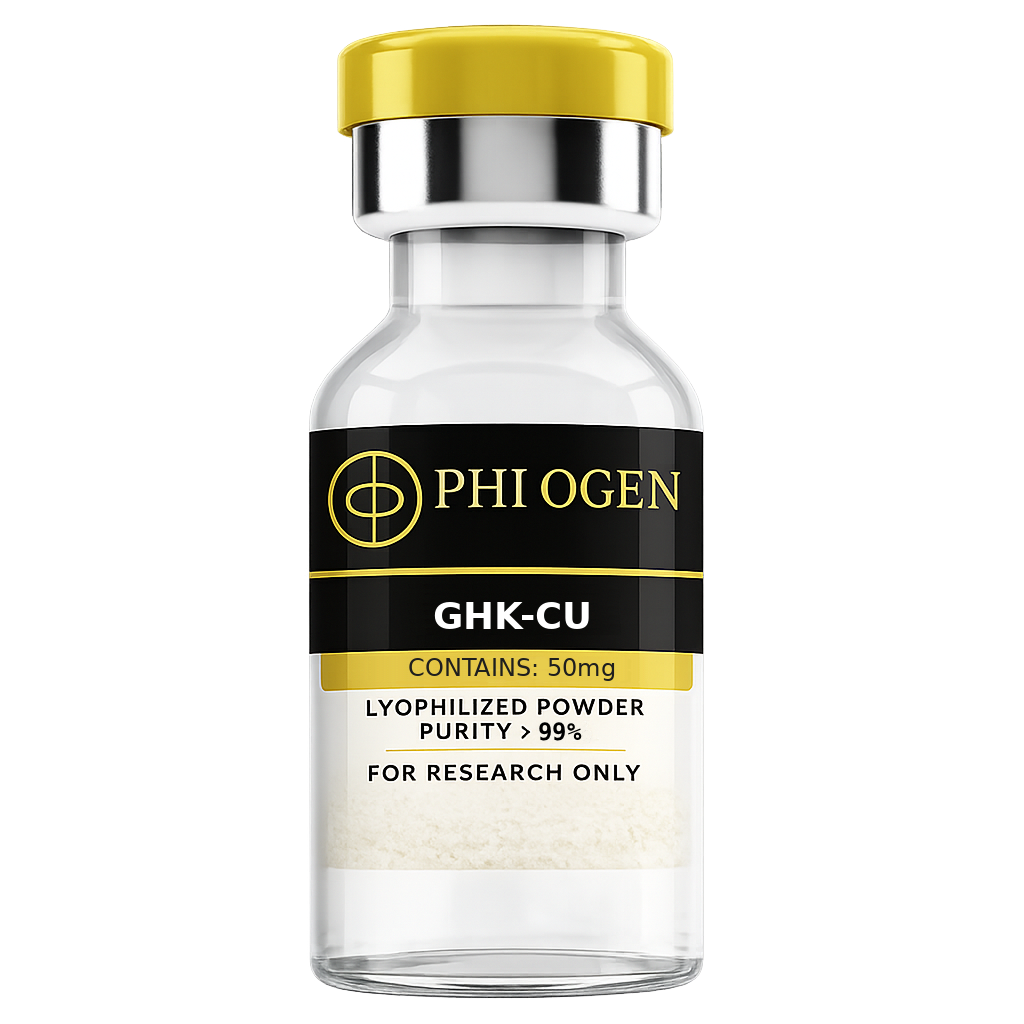
GHK-CU Copper Peptide 50mg
Copper tripeptide that regulates 4,000+ genes — anti-aging, wound healing, and collagen synthesis
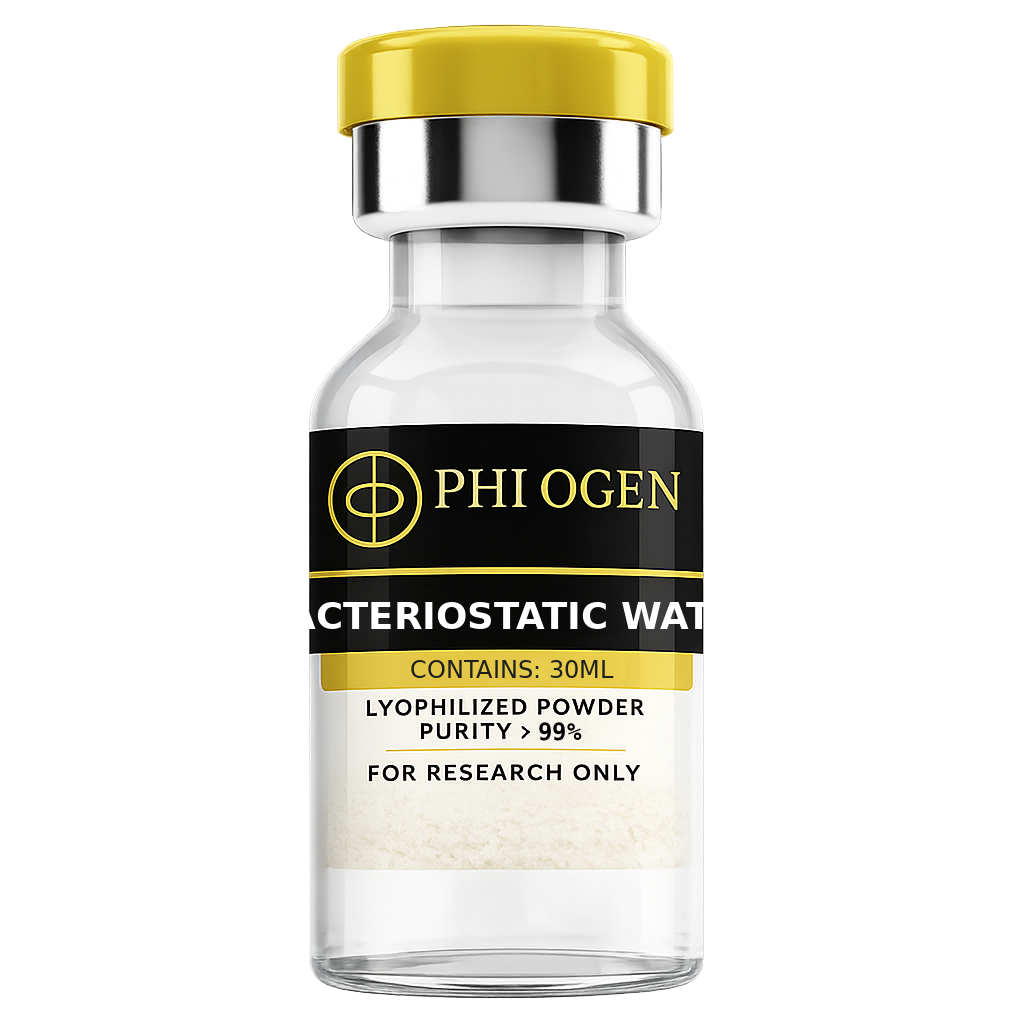
Bacteriostatic Water 10ml
Sterile preserved reconstitution water — required for all lyophilized peptide vials