Melanotan I 10mg
anti aging
Quality Rating

Buy Melanotan I 10mg

Selective MC1R agonist — tanning without the libido and appetite side effects of MT-II

MC1R selectiveNo libido side effectsClinically approved analogue

Who This Is For

Users wanting tanning benefits without the libido/appetite side effects of Melanotan II.

Overview & Benefits

Melanotan I (afamelanotide) has greater MC1R selectivity than MT-II — producing the same melanin-stimulating tanning effect without significant MC4R activation. The result is UV-independent tanning without spontaneous erections, nausea, or the appetite suppression that makes MT-II difficult to manage for some users. Clinically approved in Europe as Scenesse for erythropoietic protoporphyria (a sun sensitivity condition). Better tolerated than MT-II for pure tanning purposes.

Key Benefits

  • Selective MC1R tanning without MC4R side effects
  • Better tolerance than MT-II — no spontaneous erections or significant nausea
  • Clinically validated in Scenesse (afamelanotide) for photoprotection
  • Deep natural tan with minimal UV exposure

Protocols & Dosing

Tanning Protocol

Once daily during loading, twice weekly maintenance
500mcg–1mg subcutaneous

Better tolerated than MT-II. Can dose daily without significant nausea. Brief UV exposure amplifies results.

Melanotan I (Afamelanotide): Selective MC1R Agonism for Photoprotection

Melanotan I, now designated by the INN name afamelanotide, is a synthetic linear analog of α-melanocyte-stimulating hormone (α-MSH) with a single amino acid substitution — replacement of phenylalanine at position 7 with norvaline and an alpha-helical stabilizing modification — that confers dramatically increased metabolic stability compared to the native hormone while retaining selective high-affinity binding to the melanocortin-1 receptor (MC1R). This MC1R selectivity is the defining pharmacological property that distinguishes afamelanotide from Melanotan II: by engaging MC1R without significant affinity for MC3R or MC4R, afamelanotide produces eumelanin synthesis in melanocytes without triggering the central hypothalamic sexual arousal and appetite suppression pathways that cause MT-II's signature side effects. The MC1R signaling cascade activated by afamelanotide proceeds through Gαs-coupled cAMP elevation, PKA activation, and transcription factor MITF induction — identical to the signaling mechanism of α-MSH itself. MITF is the master regulator of the melanogenic gene program, directly driving expression of tyrosinase (the rate-limiting enzyme in melanin synthesis), tyrosinase-related protein 1 (TRP-1), and dopachrome tautomerase (TRP-2). Together these enzymes convert L-tyrosine to L-DOPA to dopaquinone and through several oxidative coupling steps to eumelanin, the high-molecular-weight photoprotective polymer. Eumelanin is physically located in melanosomes, which are transferred from melanocytes to adjacent keratinocytes and distributed as a supranuclear cap that shields the underlying DNA from UV photodamage. The photoprotective mechanism extends beyond simple UV absorption. Eumelanin produced by MC1R activation has been shown to improve the fidelity of UV-induced DNA damage repair by maintaining the availability of nucleotide excision repair (NER) enzymes in keratinocytes. Additionally, MC1R signaling activates BRCA1-dependent DNA damage recognition pathways, improving the cell's ability to detect and repair cyclobutane pyrimidine dimers (CPDs) and 6-4 photoproducts — the two major classes of UV-induced mutagenic lesions. This dual UV-absorption plus DNA-repair-enhancement mechanism explains why MC1R-variant individuals (who have impaired MC1R signaling and consequently produce phaeomelanin instead of eumelanin) have dramatically elevated skin cancer risk disproportionate to their tanning impairment alone. Afamelanotide's sustained-release implant formulation (Scenesse, 16 mg subcutaneous biodegradable polylactic acid implant) provides approximately 2 months of continuous melanocortin stimulation from a single administration, obviating the need for repeated injections. The implant releases afamelanotide at a controlled rate that maintains blood concentrations in the range of 0.1–1 ng/mL — well below the concentrations associated with systemic melanocortin side effects while providing sufficient local and peripheral melanocyte stimulation for meaningful photoprotection. This delivery innovation was critical for the clinical viability of afamelanotide in EPP, where protection must be sustained continuously during spring and summer months.

Afamelanotide Clinical Development: EPP Approval and Photodermatology

Afamelanotide (Scenesse) received European Medicines Agency (EMA) approval in 2014 and FDA approval in 2019 for the prevention of phototoxicity in adults with erythropoietic protoporphyria (EPP), making it the first melanocortin peptide to receive regulatory approval in any indication. EPP is a rare genetic disorder caused by mutations in ferrochelatase (the enzyme that completes heme synthesis) resulting in accumulation of protoporphyrin IX in erythrocytes and skin, which when excited by wavelengths between 400–410 nm causes a violent photosensitivity reaction of burning pain, erythema, and edema that can last hours to days. Patients with EPP typically cannot tolerate any significant outdoor sun exposure, severely impacting quality of life. The pivotal Phase III trial (Langendonk et al., NEJM, 2015) enrolled 74 EPP patients in a double-blind, placebo-controlled crossover study. Afamelanotide-treated patients were able to tolerate significantly more direct sunlight — median of 1 hour 18 minutes versus 41 minutes in placebo — with marked improvements in patient-reported quality of life, outdoor activity, and anxiety about sun exposure. The study demonstrated that the melanin induced by afamelanotide was functionally sufficient to block the EPP-triggering wavelengths and reduce the frequency and severity of phototoxic attacks. Importantly, the adverse effect profile was benign: nausea occurred in only 14% versus 7% in placebo, no spontaneous erections were reported, and no melanoma cases occurred during the trial. Research in other photodermatological indications has shown promising signals. Solar urticaria (an urticarial reaction to sunlight across multiple wavelengths) showed reduced whealing responses in afamelanotide-treated patients in small trials. Polymorphous light eruption (PMLE), the most common idiopathic photodermatosis, showed significantly reduced eruption frequency and improved quality of life. These studies collectively establish afamelanotide as a platform photoprotective therapeutic that may benefit multiple light-sensitive populations beyond EPP.

Key Studies

1

Langendonk JG et al., New England Journal of Medicine, 2015

Afamelanotide implant in EPP significantly increased tolerated sunlight exposure time and improved quality of life in a double-blind RCT, supporting FDA and EMA approval for this indication.

2

Minder EI et al., British Journal of Dermatology, 2009

A Phase II trial demonstrated afamelanotide-induced skin darkening and reduced phototoxic episodes in EPP patients with an excellent safety profile at the 16 mg implant dose.

3

Böhm M et al., Experimental Dermatology, 2012

MC1R activation by afamelanotide upregulated NER pathway enzymes in human keratinocytes, demonstrating a DNA repair mechanism for photoprotection beyond UV absorption.

4

Haylett AK et al., British Journal of Dermatology, 2011

Afamelanotide reduced polymorphous light eruption eruption frequency and severity in a placebo-controlled pilot, suggesting utility beyond EPP in idiopathic photodermatoses.

5

Harms J et al., British Journal of Dermatology, 2009

Solar urticaria patients treated with afamelanotide showed significantly reduced wheal formation in phototesting and reported improved outdoor quality of life.

Safety Profile & Side Effects

Nausea

low

Mild transient nausea occurs in approximately 10–15% of subjects, substantially lower than the 50–70% rate with Melanotan II; typically resolves within 6–12 hours of administration.

Nevi darkening

moderate

Existing melanocytic nevi may darken with MC1R stimulation; dermatological surveillance is recommended before and during treatment. Afamelanotide has not been shown to increase melanoma risk in clinical trials but theoretical caution is appropriate.

Skin hyperpigmentation

low

Facial freckling and increased pigmentation in sun-exposed areas is expected and desired as the mechanism of action; can be cosmetically undesirable if concentrated in specific areas.

Implant site reactions

low

The biodegradable implant may cause local erythema, induration, or mild pain at the insertion site; these typically resolve within 2 weeks as the implant integrates.

Melanotan I Buyers Guide: Research vs. Pharmaceutical Grade

The existence of FDA/EMA-approved Scenesse (afamelanotide 16 mg biodegradable implant) provides a quality reference benchmark for Melanotan I that is unique among research peptides. Research-grade Melanotan I in lyophilized powder form must contain the same amino acid sequence with identical modifications confirmed by mass spectrometry. The MW is 1646.9 g/mol for the complete 13-residue analog; HPLC purity ≥98% is standard. Unlike MT-II, Melanotan I is a linear (non-cyclic) peptide, so confirmation of correct sequence without cyclization artifacts is important. Research use protocols typically employ 0.5–1 mg subcutaneously every 2–3 days for a loading phase of 2–4 weeks to establish melanin production, followed by maintenance injections every 7–14 days to sustain the effect. This is considerably gentler than MT-II protocols given the absent MC4R effects that make MT-II dosing more aggressive. The absence of the nausea, spontaneous erection, and appetite suppression side effects means Melanotan I can be administered without prophylactic antiemetics and with less need for dose titration in most individuals. Dermatological baseline assessment — particularly documentation of existing nevi with photographs — is a reasonable precaution before initiating Melanotan I. Any mole that changes in appearance, size, or color during treatment should be evaluated promptly by a dermatologist. In individuals with prior skin cancer history, the risk-benefit calculation for a cosmetic tanning application does not favor use, though the therapeutic use in EPP represents a case where benefit clearly outweighs this theoretical concern.

Melanotan I vs. MT-II and Other Photoprotective Approaches

The comparison between Melanotan I and Melanotan II for tanning applications favors Melanotan I unambiguously for individuals whose primary goal is photoprotection or cosmetic pigmentation. The identical MC1R mechanism means tanning efficacy is comparable on a dose-adjusted basis, but the complete absence of MC4R-mediated side effects (no spontaneous erections, no nausea at standard doses, no appetite suppression, no blood pressure effects) makes Melanotan I far more manageable. The availability of an FDA-approved formulation also means that the underlying science has undergone regulatory scrutiny, providing confidence in the therapeutic rationale. Against conventional sunscreens and sun-avoidance strategies, afamelanotide provides an active photoprotective mechanism — building intrinsic UV-absorbing capacity in the skin — rather than passive blocking. For individuals with conditions like EPP where UV exposure is unavoidable or whose quality of life is severely impacted by sun sensitivity, this active approach has demonstrated clinical superiority to topical protection alone. For recreational tanning purposes without a medical indication, weighing the nevi-darkening concern against the benefits of any melanocortin agonist is the key risk-benefit calculation, and Melanotan I's clinical approval status provides more reassurance than MT-II's entirely unapproved status.

Stack With These Peptides

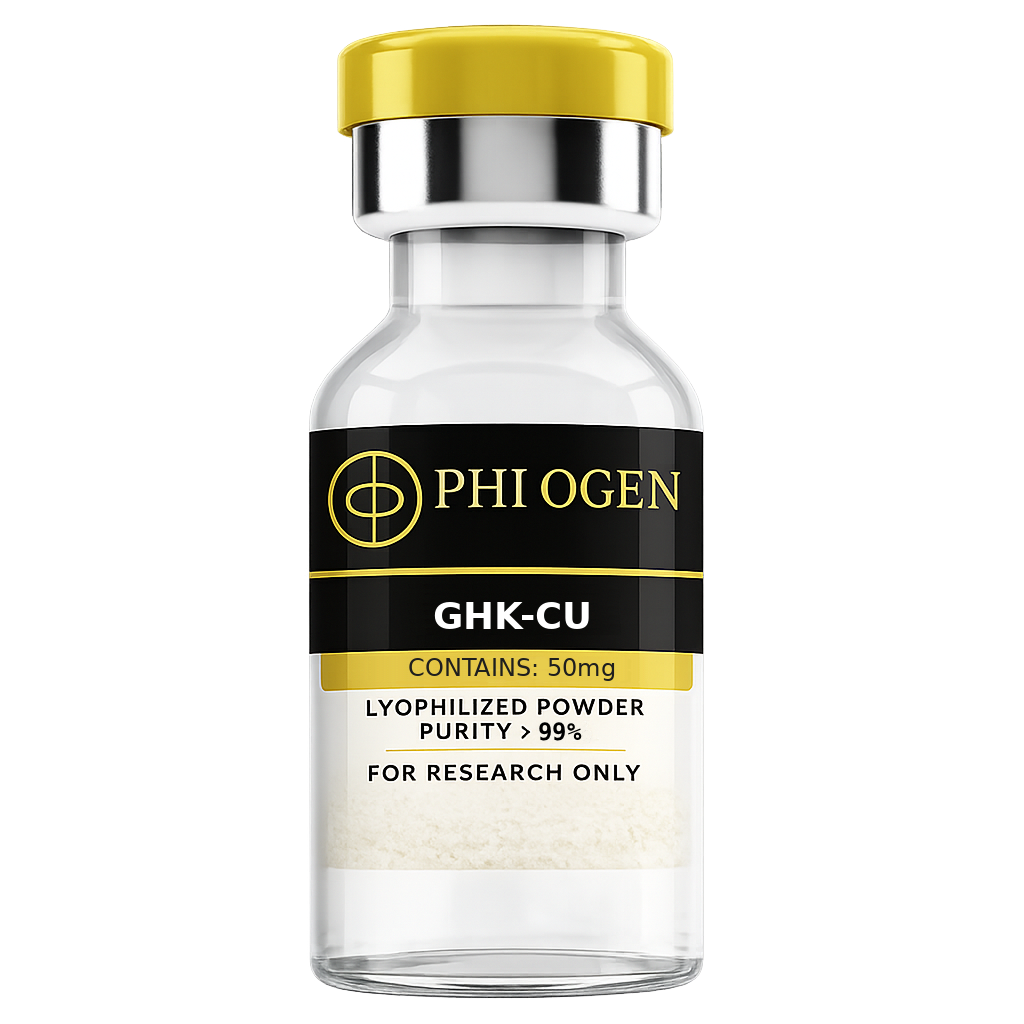
GHK-CU Copper Peptide 50mg

GHK-CU Copper Peptide 50mg

anti aging

View →
Melanotan I 10mg

Buy Melanotan I 10mg

$59.99

Buy Now — $59.99Buy at Phiogen

Research-grade · COA verified · Phiogen

Categoryanti aging
Typeinjectable
Quality Rating★★★★☆
VendorPhiogen

Melanotan I 10mg

$59.99

Buy Now