The Science of
Peptide-Driven Fat Loss.
GLP-1 receptor agonists represent the most significant advance in weight management pharmacology since the discovery of leptin. Semaglutide, tirzepatide, and retatrutide produce weight loss averaging 15–24% of body weight in clinical trials — results that exceed bariatric surgery outcomes in head-to-head comparisons and dwarf anything achievable with conventional diet and exercise interventions alone.
This guide covers every major class of weight loss peptide — the mechanisms, the clinical data, the dosing protocols, and how to combine them for maximum effect.
How Weight Loss Peptides Work
Unlike stimulants or diuretics, peptide-based weight loss works through the same biological pathways that regulate hunger, satiety, and energy expenditure — just activated more potently than natural levels allow.
Appetite Suppression (GLP-1 Receptor)
GLP-1 receptors in the hypothalamus reduce the hedonic drive to eat — the reward-seeking overeating that drives most caloric excess. Unlike willpower-based restriction, GLP-1 agonism chemically reduces food reward signals, making eating less rather than eating poorly the natural outcome. Users describe eating less not because they're trying to, but because they genuinely want less food.
Gastric Emptying Delay (GLP-1)
GLP-1 receptors in the stomach slow gastric emptying — the rate at which food moves from the stomach to the small intestine. Slower emptying means sustained satiety between meals, reduced postprandial glucose spikes, and extended feelings of fullness from each meal. This is the mechanism responsible for the portion reduction GLP-1 users experience.
Thermogenesis (Glucagon Receptor)
Retatrutide adds glucagon receptor agonism — a mechanism absent from semaglutide and tirzepatide. Glucagon activates brown adipose tissue (BAT) thermogenesis, increasing the body's heat production from fat stores independently of caloric intake. This adds an energy expenditure component to the appetite suppression mechanism, explaining retatrutide's superior weight loss at equivalent doses.
Lipolysis (AOD9604 / 5-Amino-1MQ)
AOD9604 directly activates beta-3 adrenergic receptors in adipocytes, triggering hormone-sensitive lipase to hydrolyze stored triglycerides into free fatty acids. 5-Amino-1MQ works upstream via NNMT inhibition to increase intracellular NAD+ and shift adipocyte gene expression toward lipolysis. Both work independently of the appetite suppression axis, making them genuinely additive with GLP-1 compounds.
The GLP-1 Class: From Ozempic to Retatrutide
GLP-1 (glucagon-like peptide-1) is a naturally occurring incretin hormone secreted by L-cells in the distal small intestine in response to food intake. Its physiological role is to signal the pancreas to release insulin, inhibit glucagon (preventing postprandial glucose spikes), slow gastric emptying, and send satiety signals to the hypothalamus via the vagus nerve. In the context of weight loss, it's the hypothalamic action that matters most.
The native GLP-1 peptide has a plasma half-life of approximately 2 minutes — degraded almost instantly by the enzyme dipeptidyl peptidase-4 (DPP-4). Pharmaceutical development has produced synthetic GLP-1 analogues with modified amino acid sequences that resist DPP-4 degradation, extending half-life to days rather than minutes. Semaglutide achieves a 7-day half-life through additional albumin-binding modifications — enabling once-weekly dosing that maintains continuous GLP-1 receptor activation throughout the week.
The weight loss effect of sustained GLP-1 receptor activation is qualitatively different from hunger suppression via stimulants. GLP-1 agonism reduces what researchers describe as "hedonic eating" — the food reward signals driven by dopaminergic circuits in the nucleus accumbens that drive us to eat beyond caloric need. Users consistently describe the sensation not as feeling restricted but as genuinely wanting less food. The psychological experience of eating under GLP-1 therapy is a reduction in food's motivational pull, not a willful suppression of hunger.
Tirzepatide added GIP (glucose-dependent insulinotropic polypeptide) receptor agonism to the GLP-1 mechanism. GIP receptors, when activated, enhance fat oxidation in adipose tissue and improve insulin sensitivity beyond what GLP-1 alone achieves. The SURMOUNT-1 trial demonstrated that this dual mechanism produces 22.5% weight loss — a 50% improvement over semaglutide's 14.9% — at similar tolerability. Retatrutide further added glucagon receptor agonism, which activates thermogenesis in brown adipose tissue, creating a three-pronged attack on body weight from appetite, metabolism, and thermogenesis simultaneously.
GLP-1 Class Comparison — Clinical Data
| Compound | Mechanism | Weight Loss | Key Trial | Half-Life | Research Dose |
|---|---|---|---|---|---|
| Semaglutide | GLP-1 agonist | 14.9% | STEP-1 (68 weeks) | ~7 days | 0.25–2.4mg/week |
| Tirzepatide | GLP-1 + GIP dual agonist | 22.5% | SURMOUNT-1 (72 weeks) | ~5 days | 2.5–15mg/week |
| Retatrutide | GLP-1 + GIP + Glucagon triple agonist | 24.2% | Phase 2 TRIUMPH (48 weeks) | ~6 days | 1–12mg/week |
| CagriSema | GLP-1 + Amylin dual agonist | 22.7% | REDEFINE-1 Phase 3 | GLP-1: 7d / Amylin: 7d | 2.4mg sema + 2.4mg cagri |
Beyond GLP-1: Non-Receptor Weight Loss Peptides
AOD9604 — HGH Fragment 176–191
AOD9604 is the C-terminal fragment of human growth hormone (amino acids 176–191) that retains HGH's lipolytic activity without its IGF-1-mediated anabolic and diabetogenic effects. FDA GRAS-designated with Phase IIb/III clinical data. Activates beta-3 adrenergic receptors in adipocytes, triggering hormone-sensitive lipase independent of the GLP-1 receptor pathway.
Stacking value: Genuine additive effect with GLP-1 compounds — different receptor, different adipocyte pathway. A GLP-1 protocol + AOD9604 addresses both appetite and direct adipocyte lipolysis simultaneously.
5-Amino-1MQ — NNMT Inhibitor
5-Amino-1MQ inhibits NNMT (Nicotinamide N-methyltransferase) — an enzyme hyperactivated in obese adipose tissue that depletes NAD+. NNMT inhibition raises intracellular NAD+, activates sirtuins, and shifts adipocyte gene expression from energy storage to energy burning through epigenetic reprogramming of fat cells.
Key advantage: Oral bioavailability. Works through entirely different mechanism from GLP-1. Combination of GLP-1 + 5-Amino-1MQ + AOD9604 covers three separate fat loss pathways with no mechanism overlap.
How to Titrate GLP-1 Weight Loss Peptides
Slow titration is the single most important factor in determining whether your GLP-1 protocol is pleasant or plagued by nausea. The clinical approach used in STEP and SURMOUNT trials — starting at the lowest dose and increasing by one step every 4 weeks — is not optional caution. It is the primary harm reduction strategy.
Semaglutide
- →Weeks 1–4: 0.25mg/week
- →Weeks 5–8: 0.5mg/week
- →Weeks 9–12: 1mg/week
- →Week 13+: maintain at 0.5–2mg
Tirzepatide
- →Weeks 1–4: 2.5mg/week
- →Weeks 5–8: 5mg/week
- →Weeks 9–12: 7.5mg/week
- →Week 13+: maintain at 5–15mg
Retatrutide
- →Weeks 1–4: 2mg/week
- →Weeks 5–8: 4mg/week
- →Weeks 9–12: 8mg/week
- →Week 13+: maintain at 4–12mg
Side effect management: Take weekly injection in the evening. Eat bland, low-fat foods for 24h post-injection. If nausea is severe, hold at current dose for an additional 4 weeks before escalating. Nausea is dose-dependent and diminishes significantly after 2–4 weeks at each dose level.
Protecting Lean Mass During GLP-1 Weight Loss
The most significant risk of aggressive GLP-1 weight loss protocols is muscle loss alongside fat loss. In the SURMOUNT trials, approximately 30–40% of weight lost on tirzepatide was lean mass — a significant catabolic burden for users who want improved body composition rather than simply a lower number on the scale.
Nutritional Lean Mass Protection
- Minimum 1.6g protein per kg bodyweight daily — consider 2g/kg for aggressive deficits
- Do not rely on appetite cues — GLP-1 suppresses hunger for everything including protein
- Track macronutrients explicitly: protein first, calories second
- Leucine-rich protein sources: whey, eggs, lean meats preserve muscle protein synthesis
- Resistance training 3–4× per week: the anabolic stimulus that signals lean mass retention
Peptide Lean Mass Protection
- CJC-1295/Ipamorelin nightly: GH secretagogue that drives anabolism and preferentially mobilizes fat
- IGF-1 LR3 post-workout: satellite cell activation for targeted lean mass preservation
- Advanced Body Recomposition Stack combines tirzepatide + CJC/Ipa for simultaneous fat loss + muscle
- Tesamorelin: visceral fat-specific lipolysis with anabolic GH axis activation
- BPC-157: injury prevention during resistance training under caloric deficit
Frequently Asked Questions — Peptides for Weight Loss
Which weight loss peptide should I start with?
For most beginners, semaglutide at the lowest dose (0.25mg/week, titrating to 0.5–1mg) is the recommended starting point. It has the longest clinical track record, the most predictable side effect profile, and the most well-characterized titration schedule. Tirzepatide produces greater weight loss but requires more careful titration. Retatrutide is the most potent but least studied in long-term settings.
How quickly do weight loss peptides work?
Most users experience reduced appetite within the first 1–2 weeks of GLP-1 therapy. Meaningful scale weight loss typically begins at weeks 3–6 as the dietary reduction produces a caloric deficit. Clinical trials measuring total weight loss outcomes are run at 48–72 weeks — the full weight loss potential takes months, not days, to manifest. Patience and consistent weekly dosing are essential.
Do I need to diet while on peptides for weight loss?
The appetite suppression from GLP-1 peptides creates an automatic caloric deficit in most users without explicit dieting. However, optimizing protein intake (minimum 1.6g/kg lean body mass) is critical — GLP-1-driven weight loss without adequate protein intake accelerates muscle loss alongside fat loss. GLP-1 agonists reduce appetite non-specifically; protecting lean mass requires intentional protein prioritization.
Can I combine multiple weight loss peptides?
AOD9604 and 5-Amino-1MQ can be added to GLP-1 protocols without mechanism overlap. AOD9604 adds direct adipocyte lipolysis; 5-Amino-1MQ adds NNMT inhibition and NAD+ sparing — neither interferes with GLP-1 receptor signaling. Combining two full-dose GLP-1 agonists simultaneously is not generally recommended due to additive nausea risk without proportional benefit increase.
What happens when you stop weight loss peptides?
The SURMOUNT-4 withdrawal trial demonstrated that tirzepatide cessation results in approximately 50% weight regain within 1 year. GLP-1 compounds suppress appetite pharmacologically — when the compound is removed, appetite returns to baseline. Long-term use, dietary habit change during the protocol, and transition to maintenance dosing (lower than therapeutic dose) are strategies to sustain results.
Are weight loss peptides safe long-term?
Semaglutide has the longest track record — the SUSTAIN and SELECT cardiovascular outcome trials run 4+ years showed no significant safety concerns and demonstrated cardiovascular benefit (SELECT trial: 20% reduction in MACE events). Tirzepatide has 3+ year data from SURMOUNT extension studies. Long-term retatrutide data is still accumulating from Phase 3 trials currently underway.
Weight Loss Peptides
Top-ranked fat loss compounds — sourced from Apollo with COA-verified purity
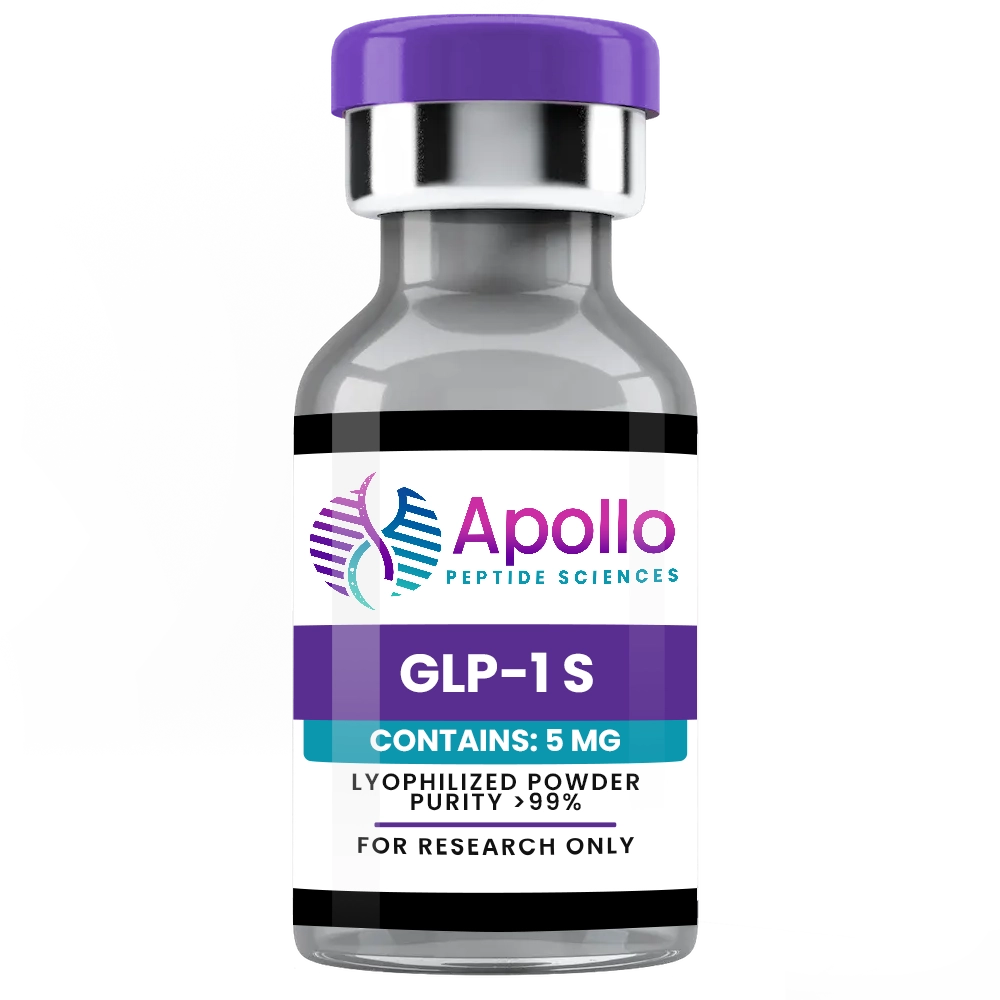
GLP-1 S 5mg
GLP-1 receptor agonist — clinically proven appetite reduction and sustainable fat loss
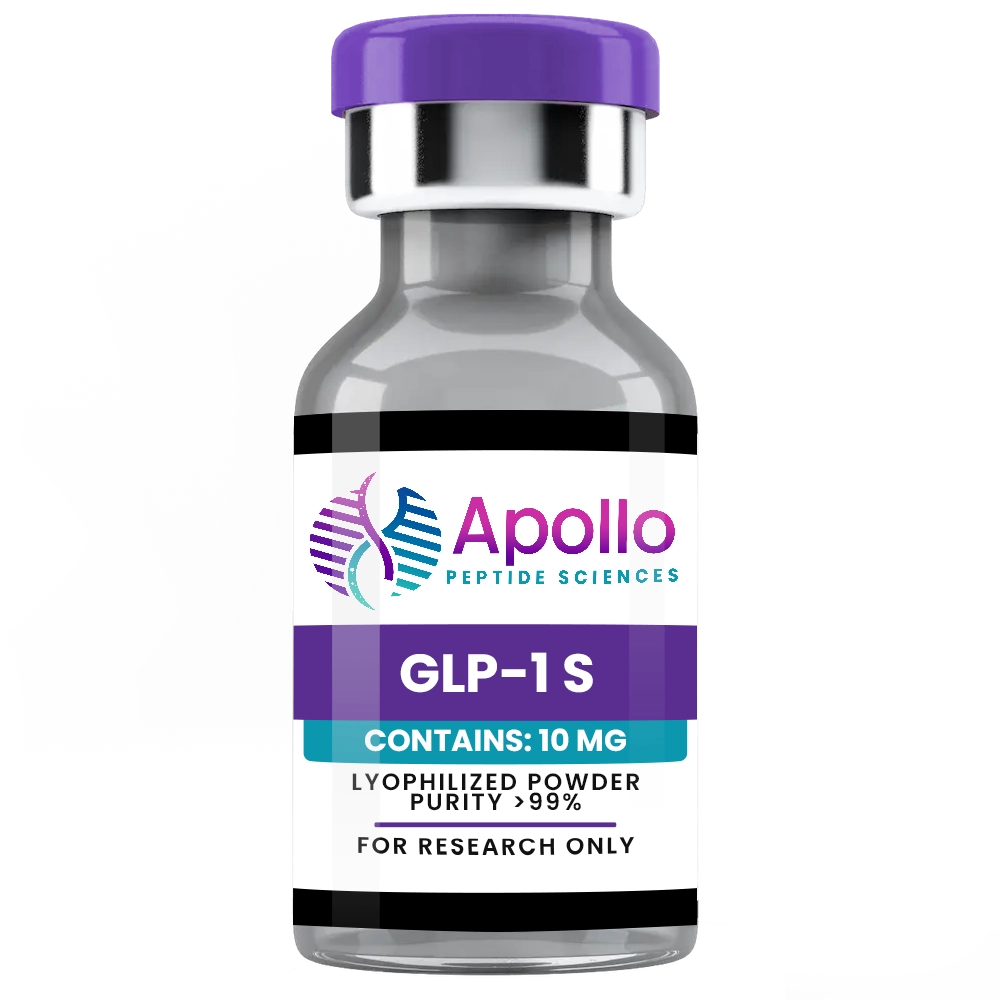
GLP-1 S 10mg
Double-vial supply of semaglutide — ideal for extended fat loss protocols
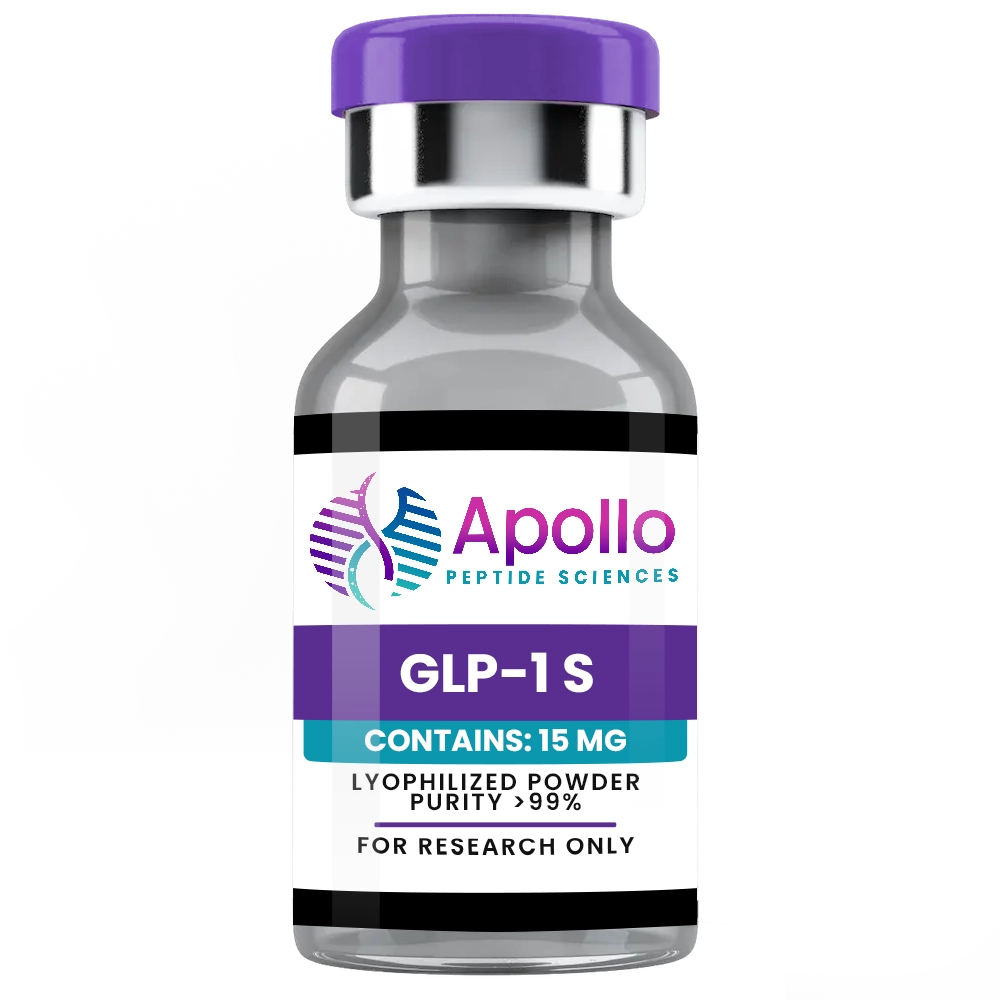
GLP-1 S 15mg
Maximum supply semaglutide vial — for sustained protocols at full therapeutic doses
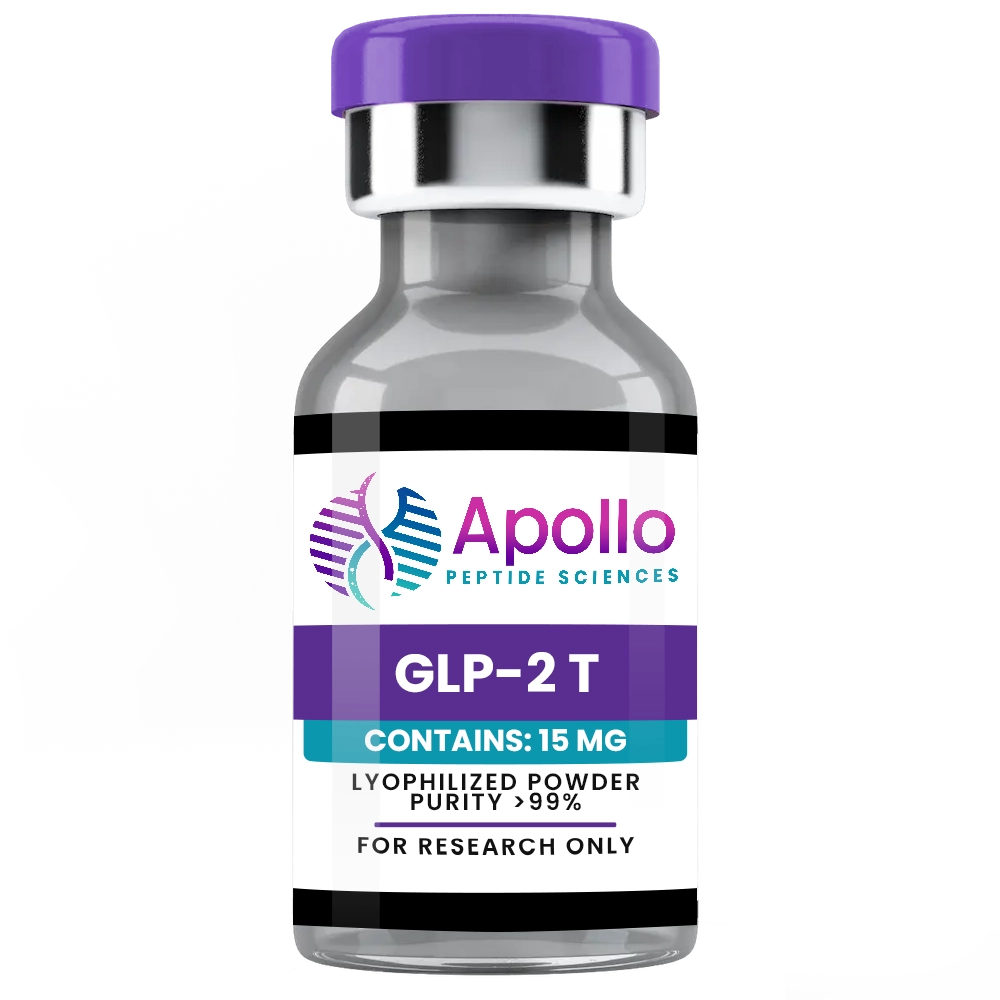
GLP-2 T 15mg
Dual GLP-1 + GIP agonist — superior fat loss and metabolic improvement beyond semaglutide alone
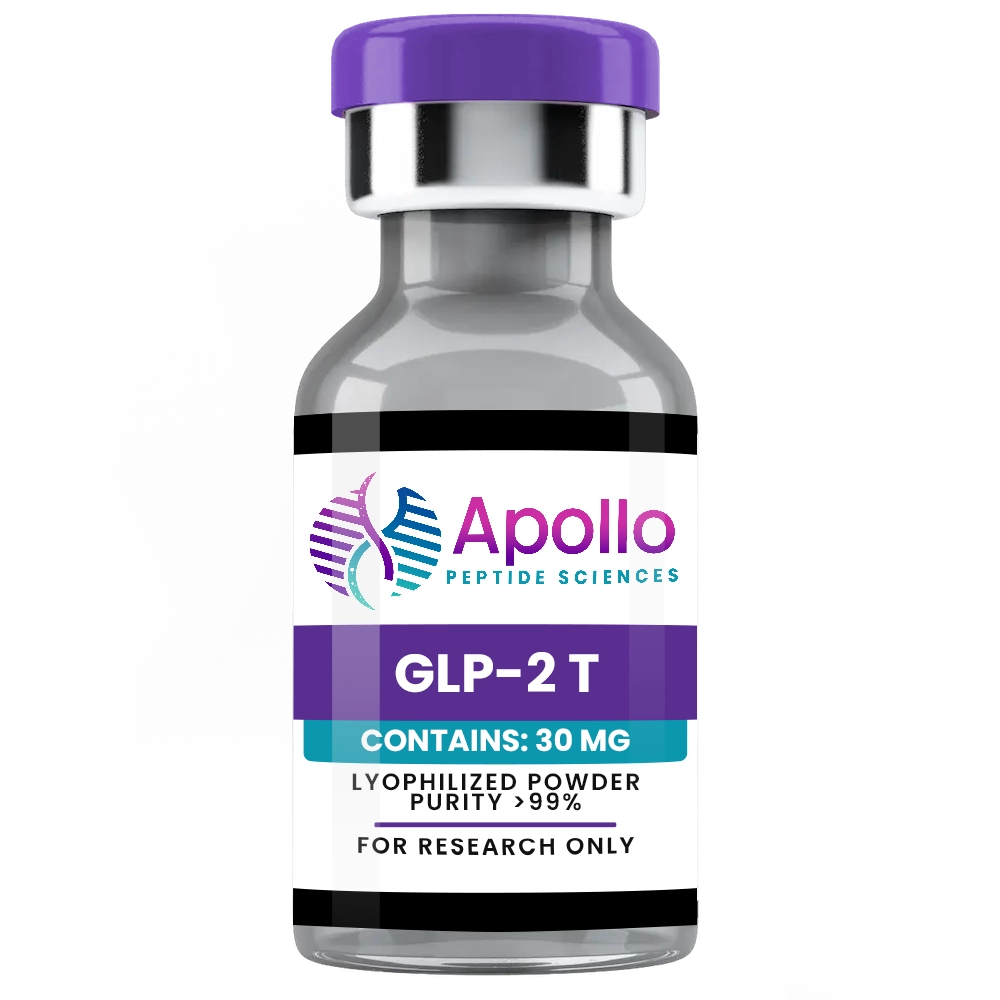
GLP-2 T 30mg
Extended tirzepatide supply for sustained dual-agonist fat loss protocols
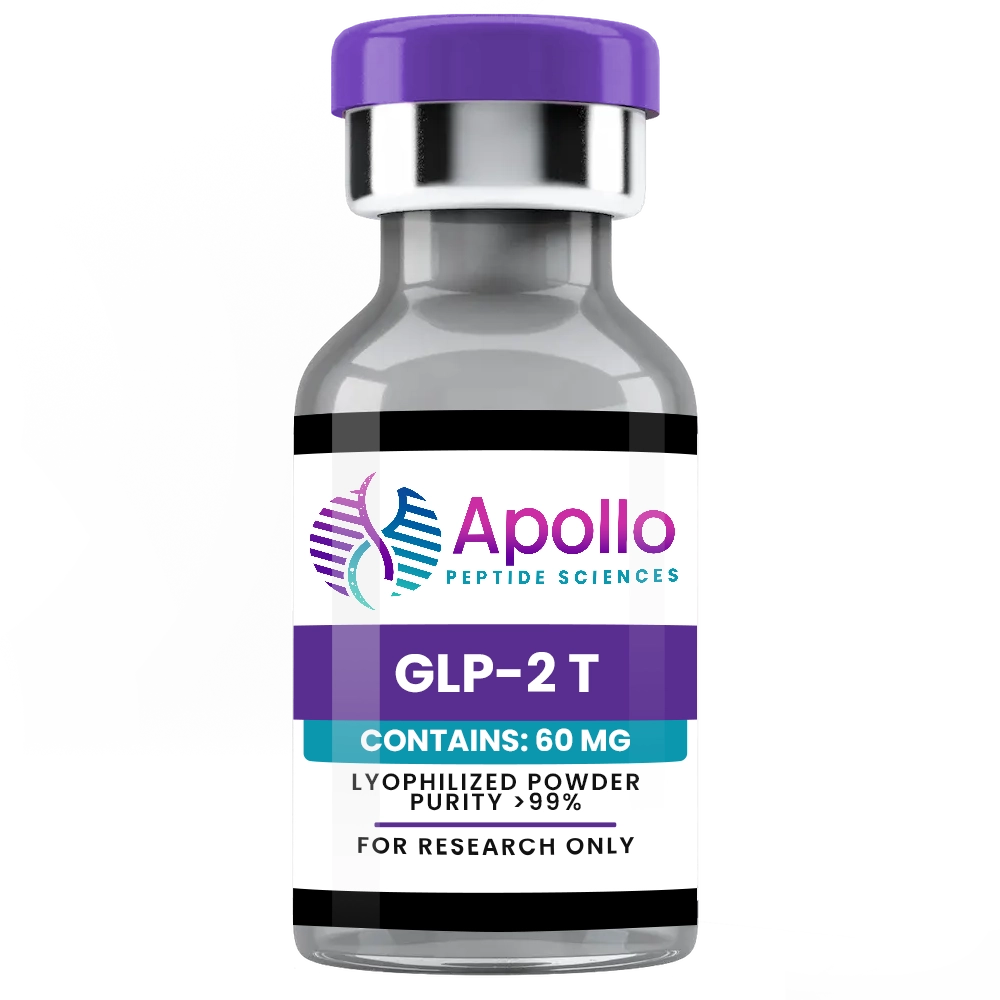
GLP-2 T 60mg
Maximum supply tirzepatide — for long-term dual-agonist protocols and best-in-class value